

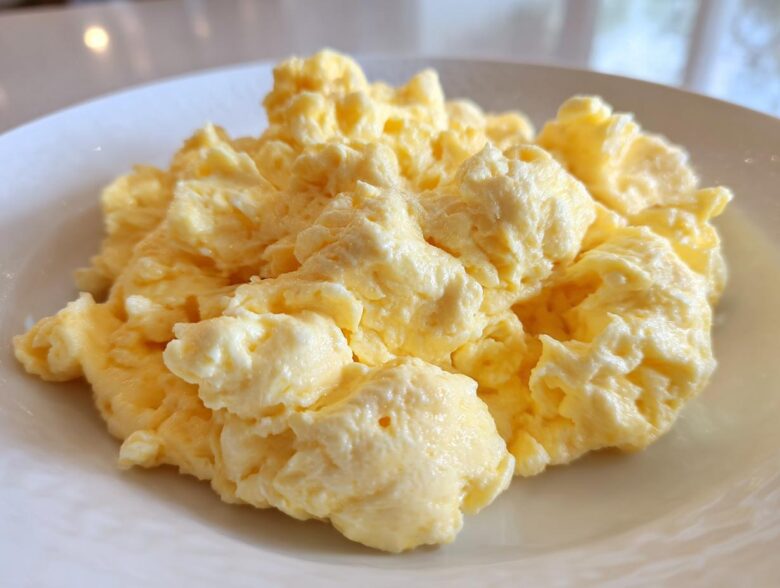
Oh my gosh, you are in for a treat! If there’s one thing that defines a perfect morning, it’s a plate of truly spectacular eggs. Forget those dry, squeaky bits you get sometimes. For years, I struggled to get my scrambled eggs right. I wanted them light and airy, yet rich and velvety all at the same time. Sounds impossible, right?
I used to think you had to choose one texture: either super puffy and dry, or dense and custard-like. Ugh. But trust me, after many messy skillet experiments—and one time I nearly set off the smoke alarm wrestling with the heat—I figured out the secret blend of technique and time that gives you the best of both worlds. This recipe guarantees you get those dreamily soft curds every single time!
Why This Fluffy and Creamy Scrambled Eggs Recipe is Your New Favorite
Seriously, you need this recipe in your life if you want breakfast to feel less like a chore and more like a treat! This method is shockingly fast, making it perfect for those hectic weekday mornings. It’s truly the easiest breakfast recipe you’ll ever try, and it always tastes like gourmet food.
- It masters that elusive texture: super fluffy without sacrificing that creamy, buttery feel.
- We’re talking less than 7 minutes from cracking the shell to plating—a true 5 Minute Breakfast hero!
- It requires just simple pantry staples, so there’s no special shopping trip needed.
- You get perfect egg texture without needing fancy equipment.
Essential Ingredients for Perfect Scrambled Eggs
Okay, listen up, because while this is simple, the quality of your ingredients really sings here. We are aiming for rich, luxurious texture, and we can’t cheat the system! You’ll need three big, beautiful, large eggs per person. Crucially, we add a tablespoon of whole milk or heavy cream. If you ask me, heavy cream wins every time for that extra velvety mouthfeel, but milk works if you’re watching calories!
Don’t forget the fat! A teaspoon of unsalted butter is non-negotiable—it’s what gives the eggs that beautiful golden color and prevents sticking. A pinch of salt and pepper finishes the basic mix. These ingredients are the foundation, and they have to be good because there aren’t many places to hide a sub-par ingredient in this Quick Egg Meal.
Ingredient Notes and Substitution Guidance
Here’s where you can build trust in your cooking by knowing your pantry. If you don’t have whole milk, half-and-half works wonderfully; it’s a nice middle ground between milk and cream. Please, avoid using plain water—it just steams the eggs and makes them watery instead of creamy.
When it comes to fat, butter is best for flavor, hands down. But if you’re in a pinch, or if you like a nuttier flavor profile, you can swap the butter for ghee. Ghee is just clarified butter, and since the milk solids are removed, it has a higher smoke point, which is great for those moments when your heat control might be running a tiny bit hot. Just make sure you use it quickly, as we cook these eggs low and slow!
Mastering the Technique: How To Make Creamy Scrambled Eggs
This is it—the main event! Getting perfect scrambled eggs is all about embracing slowness. If you rush this, they firm up too fast, and you lose that heavenly combination of puff and creaminess we’re chasing. Forget frantic stirring! We need gentle persuasion, not a wrestling match in the skillet.
Step 1: Preparing the Scrambled Eggs Mixture
Before anything hits the heat, you have to work those eggs! Crack them into a bowl with your milk or cream, salt, and pepper. Now, whisk like you mean it! I mean, really beat those eggs up until they look completely uniform—pale yellow, maybe a little frothy on top. That extra vigorous whisking that takes about a minute whips air into the yolks and whites. That trapped air is a big part of what makes them fluffy later on, so don’t skip the arm workout!
Step 2: The Low and Slow Cooking Method for Velvety Scrambled Eggs
Set your burner to low. Seriously, *low*. Put your non-stick pan on the stove and drop in that teaspoon of butter. You want the butter to melt slowly and just start to foam gently—that means the pan is warm, not searing hot. Pour your frothy egg mixture in and let it sit, totally untouched, for about 30 seconds. This part lets the bottom layer barely start to solidify. Patience is your best friend here as we build those Velvety Scrambled Eggs.
Step 3: Folding for Perfect Egg Texture Tips
Now for the magic touch. I always grab my good heat-resistant rubber spatula—it’s the only thing I use for these. Gently push the cooked egg from the edge toward the center, tilting the pan so the runny stuff flows underneath. You are creating large, soft folds, not little bits. Keep doing this every few seconds. When the eggs look mostly set but there’s still a definite, glossy wetness on top, take the pan OFF the heat immediately. That residual heat does the final cooking, guaranteeing you never overcook your scrambled eggs.
Tips for Success When Making Fluffy Scrambled Eggs
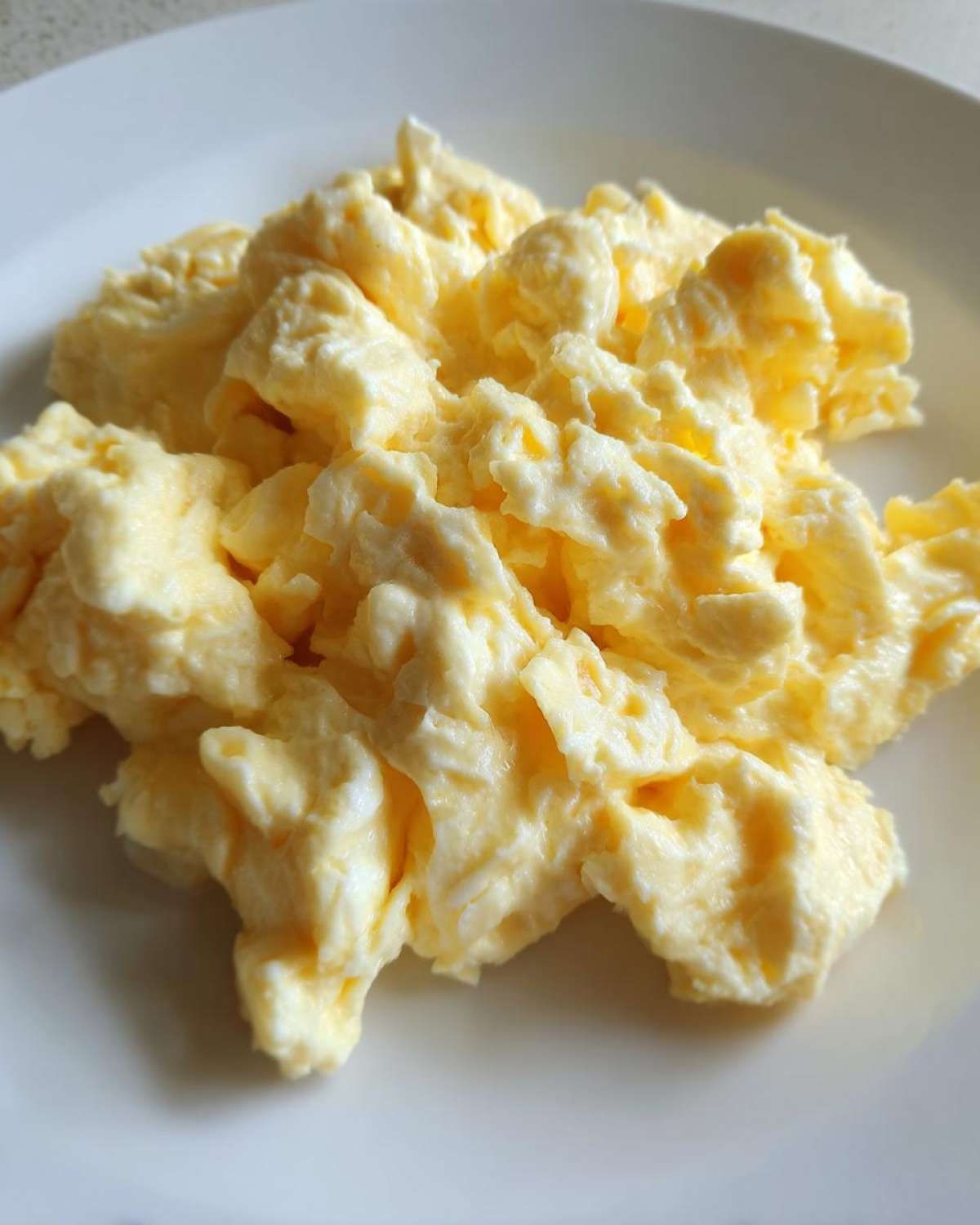
You’ve mastered the slow fold for creaminess, but how do we inject that extra cloud-like lift? If you want the absolute Best Fluffy Eggs possible—the kind that practically float off your plate—you might need to step it up a notch with a little technique I learned from a pastry chef friend. It requires an extra dish, but wow, is it worth it!
My top-tier secret for ultimate fluffiness involves separating your eggs. It sounds complicated, but trust me, it’s straightforward! Carefully separate your yolks from your whites. You’ll mix the yolks with your milk and seasoning as usual. Then, take those whites and whip them with a hand mixer (or a whisk if you’re feeling ambitious!) until they form soft peaks. Don’t go to stiff peaks; we just want them airy!
When you go to cook the eggs, fold those airy whites into the yolk mixture right before they hit the warm pan. This traps way more air than just whisking everything together at once. You’ll cook this lighter, more voluminous mixture gently, keeping in mind that you might need to take the pan off the heat slightly sooner than the standard recipe. For more foundational tips on making these your signature morning dish, check out my guide on Mastering Breakfast Eggs!
Variations: Elevating Your Scrambled Eggs
Once you nail the technique for perfect scrambled eggs, you can play around guilt-free! This base is so good, but sometimes you just need a little something extra savory or bright to round out the meal. Don’t worry about ruining the texture; we’re adding these ingredients right at the very end, when the eggs are just moments from being done.
Thinking about scrambled eggs with cheese? Wait until you pull the pan off the heat. Toss in a quarter cup of finely grated sharp cheddar or Gruyère and fold it in quickly. The residual heat melts it into those soft curds beautifully, giving you amazing richness. If you want fresh flavor, try scrambled eggs with chives. You want to finely chop about a tablespoon of fresh chives and sprinkle them over the top just before serving. That pop of oniony brightness cuts through the richness perfectly. These small additions turn a basic breakfast into a real treat!
Serving Suggestions for Your Gourmet Egg Breakfast
Once you’ve achieved that perfect, velvety texture, you can’t just serve your beautiful scrambled eggs on any old plate, right? We’ve worked too hard for a truly Gourmet Egg Breakfast look! These eggs are rich, so they pair wonderfully with something crisp or slightly tart to balance them out.
My absolute favorite way to serve them is piled high on a slice of really good, thick-cut sourdough toast. I like to brush the toast lightly with olive oil and toast it until it’s just brown and crunchy—not rock hard. That crunch gives you the perfect textural contrast to the soft eggs.
For a lighter take, think greens! A quick handful of arugula tossed with a tiny squeeze of lemon juice and a sprinkle of sea salt makes an unexpectedly elegant side dish. The slight pepperiness of the arugula is just divine against the butteriness of the eggs. If you’re looking for a more complex savory side that still feels wholesome, you should check out my recipe for a savory quinoa bowl—it’s amazing next to eggs, too! You can find that idea here: Savory Herb Quinoa Breakfast Bowl Recipe.
No matter what you pair them with, make sure you serve them right away! These beauties wait for no one!
Storage and Reheating Instructions for Scrambled Eggs
Okay, let’s be real—the absolute best way to enjoy these perfectly cooked scrambled eggs is straight out of the pan. The texture is magic in that first glorious minute! But life happens, right? If you made a double batch (which I often do!), you need to know how to handle the leftovers, because reheating them incorrectly can ruin that silky texture we worked so hard for.
Your best bet for storage is to cool them down fast. Put them in a shallow, airtight container and get them into the fridge within an hour. They will keep for about two days, tops. Anything longer and they start to lose that gorgeous color and fluff.
Reheating these delicate scrambled eggs takes a really gentle touch. I strongly advise against using the microwave. It turns them hard and rubbery faster than you can blink! Instead, toss them into a small non-stick skillet over the absolute lowest heat you can manage. Add one teaspoon of extra butter or a splash of milk for every half cup of cold eggs you are reheating.
Slowly fold them over in the pan until they warm through. They won’t ever go back to their original creamy state, but this method keeps them soft and moist enough to be enjoyable. If they seem too dry, that extra splash of milk brings back some moisture. Remember, these are always better eaten fresh, but this slow-and-low reheat is the only way to rescue leftovers!
Frequently Asked Questions About Scrambled Eggs
Why do my scrambled eggs always turn out dry and stiff?
Oh, I know that texture well! Nine times out of ten, dry eggs are the result of cooking them too fast over high heat. When the heat is too high, the proteins in the egg seize up instantly, squeezing all the beautiful moisture out. You need to embrace low heat and constant, gentle folding, as detailed in the main method. If you want to really master the science behind preventing this, check out the tips in my guide on perfect egg texture tips!
Should I add milk or water to my eggs for fluffiness?
This is a classic debate! I will always tell you to use milk or cream, never water. Water evaporates rapidly as steam, which can cook the eggs unevenly and doesn’t contribute anything to the richness. Milk or heavy cream contains fat and dairy solids that coat the egg proteins, helping them stay tender and contributing directly to that creamy texture we love. If you want pure fluffiness, use the trick of whipping the egg whites separately instead of adding extra liquid!
What is the absolute secret to creamy scrambled eggs?
The secret to truly creamy scrambled eggs boils down to two things we emphasized: low heat and removing them from the stove when they look *undercooked*. Seriously, pull them off when they look slightly glossy and wet! The carryover heat in the pan will finish setting them into a soft, custard-like mound. Never let them look “done” in the pan; that means they’ll be overdone on the plate.
Can I make these eggs ahead of time for a brunch?
I highly recommend against it, but if you absolutely must, treat them as a garnish rather than a main component. They are best eaten instantly! If you need to advance the cooking process, cook them until they are about 80% done—still quite wet—and spread them thinly on a cold plate or baking sheet. Place that plate in the fridge immediately to shock the cooling process. Reheat them extremely carefully on very low heat with a splash more butter mixed in, but be warned, they will lose that ethereal soft texture!
Nutritional Estimates for These Scrambled Eggs
Now, while I’m usually too busy diving into the deliciousness to worry too much about the numbers, I know some of you like to keep track of what you’re eating, especially if you’re aiming for something generally Low Carb Breakfast Eggs friendly. Because these recipes use simple real ingredients—eggs, butter, and a splash of milk—they are naturally quite wholesome!
Please keep in mind that these figures are just estimates. I calculated them based on the standard amounts listed in the recipe above (the 3 large eggs, 1 Tbsp butter, and 1 Tbsp whole milk). Your actual counts might shift slightly depending on the exact size of your eggs or the fat content of your dairy choice. I always say that if you’re tasting this good, you’re probably getting exactly what your body needs!
Here is a quick rundown based on a single serving:
- Calories: About 180 (Wow, that’s a powerhouse for under 200!)
- Fat: Roughly 13g
- Protein: A solid 13g
- Carbohydrates: Very low, around 2g
I also looked up the cholesterol since that comes up a lot—it clocks in around 450mg, which is high, but remember that dietary cholesterol from eggs doesn’t impact most people the way sugar does! We are keeping sugar way down, at just about 1 gram. Enjoy your wholesome morning food!
PrintThe Ultimate Fluffy and Creamy Scrambled Eggs Recipe
Learn the simple technique for making perfectly fluffy yet creamy scrambled eggs every time using low heat and gentle stirring.
- Prep Time: 2 min
- Cook Time: 5 min
- Total Time: 7 min
- Yield: 1 serving
- Category: Breakfast
- Method: Stovetop Cooking
- Cuisine: American
- Diet: Vegetarian
Ingredients
- 3 large eggs
- 1 tablespoon whole milk or heavy cream
- 1 teaspoon unsalted butter
- Pinch of salt
- Pinch of black pepper
Instructions
- Crack the eggs into a small bowl. Add the milk or cream, salt, and pepper. Whisk vigorously until the mixture is uniform and slightly frothy.
- Place a non-stick skillet over low heat. Add the butter and let it melt completely until it foams slightly.
- Pour the egg mixture into the warm skillet. Let the eggs sit undisturbed for about 30 seconds until the edges just begin to set.
- Using a heat-resistant rubber spatula, gently push the cooked egg from the edge toward the center, tilting the pan so the uncooked egg flows underneath.
- Continue this slow pushing and folding motion every few seconds. Do not stir rapidly. The goal is to create large, soft curds.
- When the eggs are mostly set but still look slightly wet (this is key for creaminess), remove the pan from the heat immediately. The residual heat will finish cooking them to a soft, velvety texture.
- Serve immediately.
Notes
- For extra fluffiness, separate the yolks and whites. Whip the whites to soft peaks before gently folding them into the yolks just before cooking.
- For a richer flavor, substitute half the milk with sour cream or crème fraîche added right at the end, off the heat.
- If you prefer a firmer, fluffier texture, use less liquid (only 1 teaspoon of milk) and cook slightly faster over medium-low heat, stirring constantly.
Nutrition
- Serving Size: 1 serving
- Calories: 180
- Sugar: 1
- Sodium: 150
- Fat: 13
- Saturated Fat: 7
- Unsaturated Fat: 6
- Trans Fat: 0
- Carbohydrates: 2
- Fiber: 0
- Protein: 13
- Cholesterol: 450