

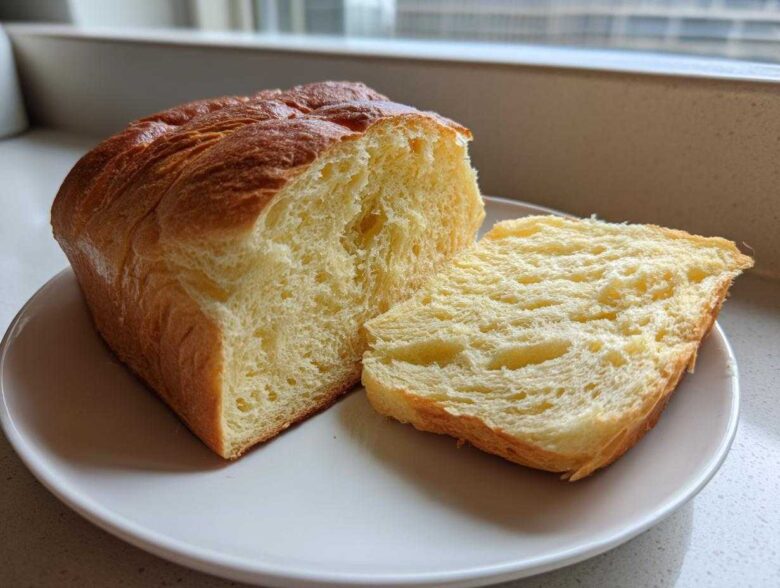
If you’ve ever walked into a Japanese bakery and inhaled that perfect, cloud-like aroma, you know exactly what I’m talking about. It’s a bread so soft it practically dissolves on your tongue! Well, I’m here to tell you that you absolutely do not need a plane ticket to enjoy that magic. My mission—and you know how dedicated I get when chasing that perfect texture, pairing Spoon’s tradition with Sprout’s inspiration—has been finding the foolproof way to bring that bakery quality home. We cracked the code, folks. This Ultimate Tangzhong Japanese Milk Bread (Shokupan) recipe is it. The absolute secret weapon is the Tangzhong method, which traps moisture inside the dough, guaranteeing an incredibly soft, pillowy loaf that stays fresh for days. Trust me, this will change how you think about making bread from scratch. For a little background on how we blend old wisdom with new tricks in our kitchen, you can always read more on our About Us page.
Why This Japanese Milk Bread Recipe is Your New Favorite Comfort Food Baking
Honestly, when I first saw how much work went into making true Japanese milk bread, I thought, “Oh, Mei, that looks complicated.” But trust Spoon and Sprout on this one: achieving the softest homemade bread imaginable is totally within your reach! Even though this loaf sounds fancy, the Tangzhong technique acts like a magic trick for beginners.
It’s the reason why this bread is the bread that stays soft long after regular loaves have gone stale. It moves bread from a simple staple to something truly comforting and luxurious. It deserves the title of best Japanese bread recipe.
The Secret to Pillowy Bread Recipe Texture
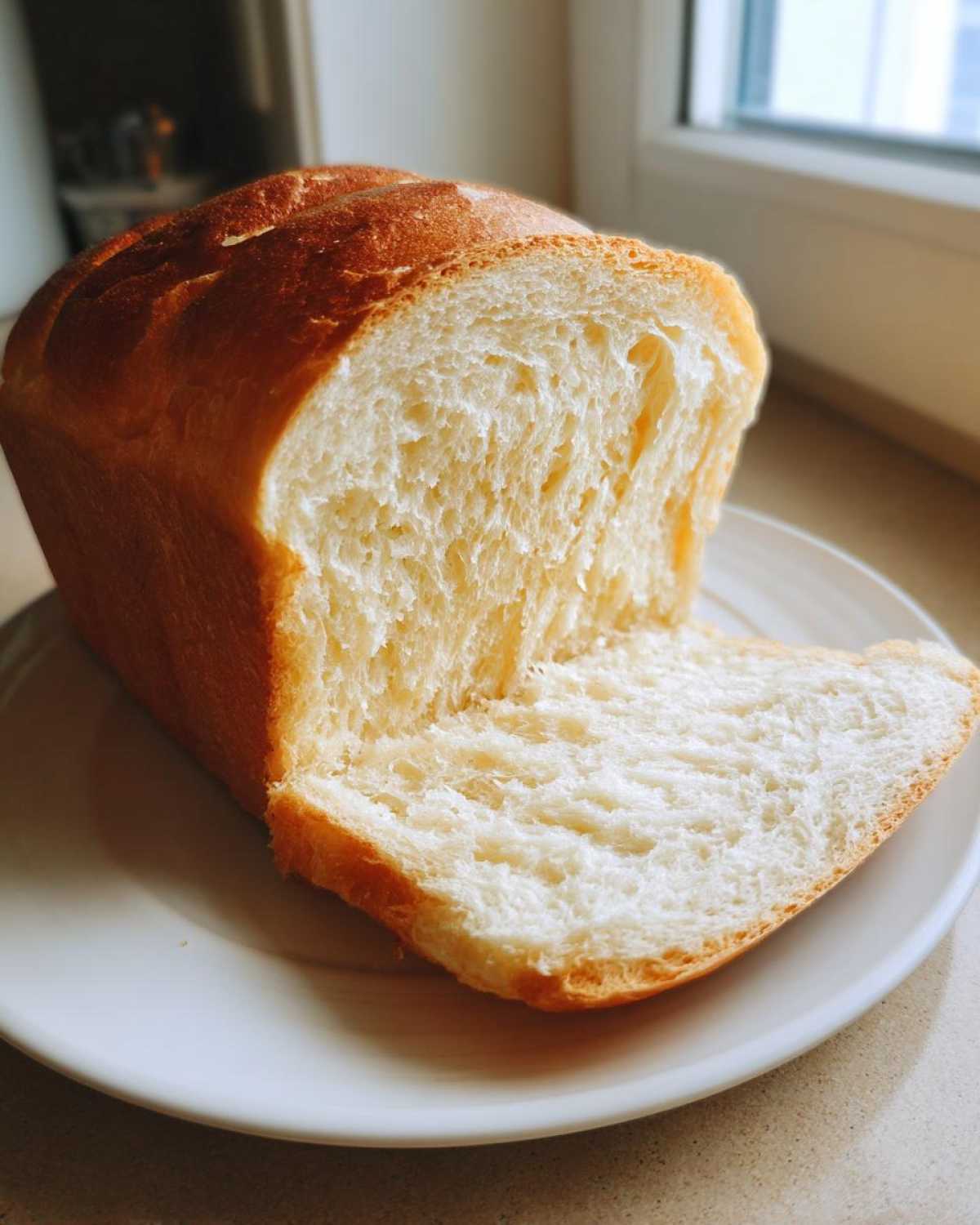
So, what’s the hush-hush about this texture? It all comes down to the paste we make first—the Tangzhong. This isn’t just flour and water; we cook it slightly. When you introduce this paste to the main dough, it gelatinizes the starch. Think of it like giving the gluten little sponges that absorb and hold onto moisture during the long bake. That trapped water is what makes this a true fluffy Asian bread wonder!
Versatility of Homemade Sandwich Bread
You might think something this delicate only deserves a gentle dusting of powdered sugar, but don’t limit it! Yes, it’s divine sliced thick for French toast, but it truly shines when you make a sandwich. It holds up beautifully without squishing flat, giving you the best homemade sandwich bread experience you’ve ever had. The slight sweetness blends perfectly with savory fillings—it’s a game-changer!
Gathering Ingredients for the Ultimate Japanese Milk Bread (Shokupan)
Okay, now that you’re excited about this soft, fluffy journey, Spoon says the secret to any great recipe starts with respecting what you put in. And since we are using the famous Tangzhong paste, we have two sets of ingredients to manage. Don’t worry, none of this is hard to find; it’s just about putting the right things in the bowl at the right time. We need quality components here to ensure we nail that Tangzhong bread texture right out of the gate!
- 100g Bread Flour (for Tangzhong)
- 300g Milk (for Tangzhong)
- 450g Bread Flour (for Dough)
- 50g Granulated Sugar
- 1 teaspoon Salt
- 7g Instant Dry Yeast
- 1 large Egg (room temperature)
- 120ml Whole Milk (cold)
- 60g Unsalted Butter (softened)
- For Egg Wash: 1 Egg yolk mixed with 1 teaspoon water
Ingredient Notes and Substitutions for Tangzhong Bread
There are a few non-negotiables here that Spoon insists on if you want that perfect Shokupan recipe structure. First, you absolutely must use Bread Flour for both parts. It has a higher protein content, which lets us develop the massive gluten network needed for that characteristic stretch. If you use All-Purpose, your loaf might flatten out on you. Also, notice the temperature difference in the liquids! The milk for the paste needs to mix into the thickener, but the milk for the main dough should be cold. Mixing cold liquid into the cream is important when we add the butter later on—it helps keep everything cool enough for the yeast to work correctly without overheating during kneading.
Mastering the Tangzhong Bread Paste: The Foundation of Japanese Milk Bread
If you skip this first step, you might as well be baking a regular white loaf—and we aren’t here for regular bread, are we? This Tangzhong paste is the backbone of why this Japanese milk bread stays so incredibly soft, which is exactly what you want when you’re aiming for bakery-soft fluffiness like they have in Japan.
Grab a small saucepan—nothing fancy needed here. Whisk together the 100 grams of bread flour and the 300 grams of milk for the paste until it looks perfectly smooth. If you spot clumps, scoop them out now, because once it hits the heat, things move fast! Spoon always tells me to use low power here; we are thickening, not scrambling!
Heat the mix over medium-low heat, stirring constantly—and I mean constantly—until it thickens into a real heavy paste. You’ll know it’s ready when it looks almost like pudding and if you drag your spatula through it, it leaves a trail that doesn’t immediately fill back in. That’s the sign that the starch has done its job! Remove it right away. Seriously, pull it off the heat the second it looks like that.
Now for the critical part that people always forget: you have to cover the surface directly with plastic wrap. This stops a skin from forming, which would make your beautiful paste uneven. Let it cool completely to room temperature before you even think about adding it to your main dough. If you rush this cooling time, you risk killing the yeast in the dough later! Patience pays off; this paste holds the key to that incredible texture.
When you’re ready for the next step, this paste will become the start of your amazing dough, just like magic. I love seeing the transformation come together!
We use this same foundational thinking when we create other recipes that need deep moisture, like our Maple Pecan Sticky Buns, though the actual technique changes. For the Shokupan, though, this paste consistency is everything!
Step-by-Step Instructions: How to Make Milk Bread Dough
Finally, we get to bring our cooled Tangzhong magic into the main show—this is where we start building that structure that makes this loaf so unique! You’ll need your stand mixer fitted with the dough hook for this part; kneading this kind of strong dough by hand takes serious dedication, though I’ll give you tips for that later. First things first: combine all your dry ingredients—the main flour, sugar, salt, and the yeast—in the mixer bowl. Just give it a quick spin on low so everything says hello to each other before getting wet.
Now, add the cooled Tangzhong paste, that room temperature egg, and the cold milk. Start mixing on the very lowest speed until it just comes together into a shaggy mess—it will look rough, don’t panic! This slow start keeps everything from flying out of the bowl. Once it’s mostly combined, crank the speed up slightly and let the dough hook work for about 5 to 7 minutes. It should start gathering itself and pulling away from the sides. This is the initial development of our gluten network that makes this the best Japanese bread recipe!
This next part is crucial: the butter. You have to add the softened butter one small piece at a time. Let the mixer completely incorporate that butter before you dare toss in the next chunk. This process takes time, maybe another 10 to 15 minutes of kneading. Keep going until that dough is super smooth and glossy. What we are looking for is the windowpane test! You should be able to gently take a small piece of dough and stretch it thin enough that light shines through it without tearing. That perfect stretch is what separates a good loaf from an amazing fluffy loaf inspiration.
Kneading for That Perfect Fluffy Loaf Inspiration
The goal here isn’t just mixing; it’s stretching those gluten strands until they are long and ready to support all that soft air. If you’re hand-kneading, this is where you need to put your back into it for a solid 20 to 25 minutes after the butter goes in—it gets sticky for a bit, but trust the process! You want an elastic, smooth dough that feels supple, not sticky or tearing easily. When it passes that windowpane test, we know we’ve developed the strength needed for a light, airy crumb, which is what all beginner bread baking dreams are made of.
For anyone who wants to see someone else work this dough, check out this method by The Bakeanista; they showcase that smooth, elastic quality beautifully, which is exactly what we are aiming for here in this amazing Tangzhong bread!
Proofing and Shaping for the Best Japanese Milk Bread Recipe
Now that we’ve kneaded this gorgeous dough into submission, we have to let it rest and grow. This is when I usually step away from the counter, grab a cup of tea, and just admire the process—Spoon always says the dough needs a little quiet time to organize itself before the final shape!
For the first proof, lightly oil your mixing bowl, place your smooth dough inside, and turn it over once to coat. Cover it up tightly. We need a warm, cozy spot, and it should sit there for about 1 to 1.5 hours, or until it has doubled completely in size. When it’s doubled, it’s happy! That’s the first big sign that we’re going to end up with amazing Japanese milk bread.
Next, we move onto the shaping, which is key for that classic tight crumb, whether you are making a loaf or smaller rolls. Gently punch (or press) the air out of the risen dough—don’t crush it, just deflate it gently. Spoon insists on dividing the dough into precisely three equal pieces. Weight matters here! Roll each piece into a tight little ball, and then, this is important, let them rest on the counter, covered, for about 15 minutes. This rest relaxes the gluten so you can roll them without a fight.
After they rest, flatten each ball slightly and start rolling it up tightly into a long log, sealing the seam firmly at the bottom. You want the surface tension tight, which sets you up for a beautiful structure. Line your greased 9×5 inch loaf pan with those three logs, seam-side down, nestled closely together. If you leave the logs slightly looser, you end up with a lovely pull apart loaf effect when you slice it!
The final rise, the second proof, is more delicate. Cover the pan loosely with wrap or a damp towel. We are looking for it to rise beautifully, about 80 to 90% of the way up the pan. It should look super puffy. This usually takes between 45 and 60 minutes, depending on how warm your kitchen is. Watching it climb slowly into that pan always fills me with such contentment; it’s proof that time and gentleness create the softest homemade bread!
Baking Your Japanese Milk Bread to Golden Perfection
The dough is perfectly proofed, it’s puffy and looks like it’s about to burst out of the pan—it’s time to bake! This is the moment of truth where all our effort in making that Tangzhong bread paste pays off. Make sure your oven is fully preheated to 175°C (350°F). Don’t rush this preheat, because if the oven isn’t hot enough when the bread goes in, it can definitely affect how high the loaf rises.
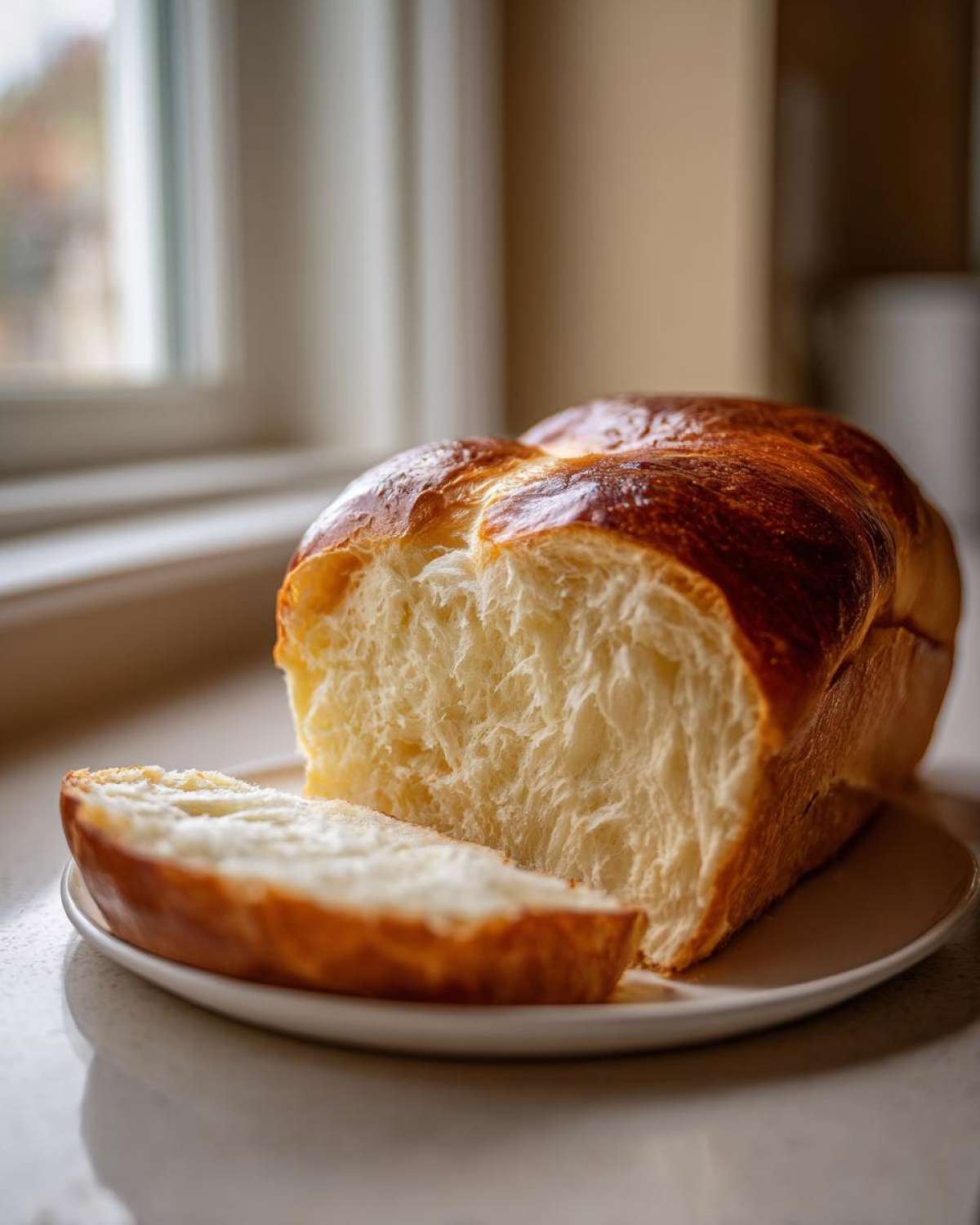
Before it goes in, give the top a gentle brush of your egg wash—just one yolk mixed with a teaspoon of water. This is what gives us that beautiful, shiny, almost lacquer-like finish you see in the displays at a Japanese bakery bread shop. It really elevates the look of that rich, sweet milk bread.
Bake the loaf for about 30 to 35 minutes. Now, here is where I always keep one eye on it. Because the milk and sugar content is high, this bread can brown up quickly! If you see the top getting too dark—say, deep chestnut brown—before the center is cooked through, don’t panic. Just take a small piece of aluminum foil, loosely tent it over the top, and let it finish the baking time under the foil. This protects the crust while the inside finishes setting up.
How do you know when it’s truly done? The visual cues are great, but Spoon insists on a temperature check for ultimate accuracy. You are looking for an internal temperature reading of 93°C (200°F) when poked right into the center of the loaf. That temperature confirms that the starches are fully cooked and the moisture is perfectly locked in by the Tangzhong. When you pull that gold-brown beauty out, getting that internal temp right ensures you get the softest, fluffiest slice possible!
Cooling and Slicing: Tips for Moist Bread Tutorial Success
Okay, we’ve pulled this stunning, golden loaf out of the oven, and the aroma filling the kitchen is just intoxicating. I know, I know—you want to slice into it immediately! It smells so good, you just want to taste that pillowy texture right now. Please, I am begging you—wait! This cooling stage is just as important as making the Tangzhong paste; it’s the final gatekeeper for our moist bread tutorial success.
The very first thing you must do is get the Japanese milk bread out of the pan immediately. Keep it in the hot pan, and the trapped steam will start collecting on the sides, making that perfect, soft crust soggy. Flip that loaf out right onto a wire cooling rack. Immediately! You can hear the steam escaping, which is exactly what we want.
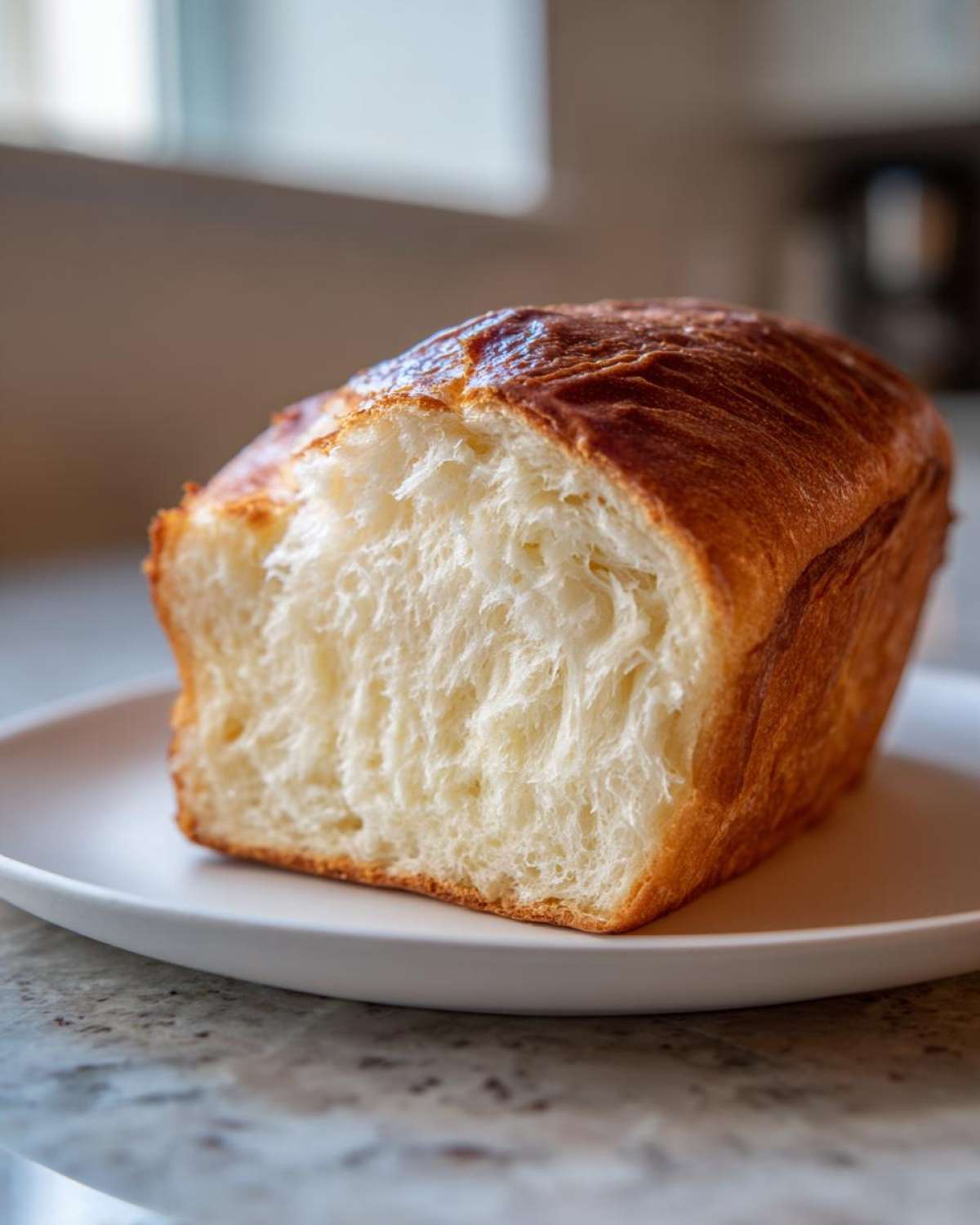
Now comes the real willpower test: you have to let it cool completely. I mean, until it’s barely warm, or even room temperature. If you slice into it while it’s hot, all that locked-in moisture—the very thing the Tangzhong paste worked so hard to keep inside—will rush right out into the air. When the steam escapes, the crumb structure actually collapses a bit, and you lose that signature cloud-like fluffiness that makes this Shokupan recipe famous. It’s tough, but Spoon always reminds me, “A little patience now means a perfect slice later.”
Once it’s totally cool, you can slice it. And when you do, I promise you’ll see this incredible, even crumb structure.
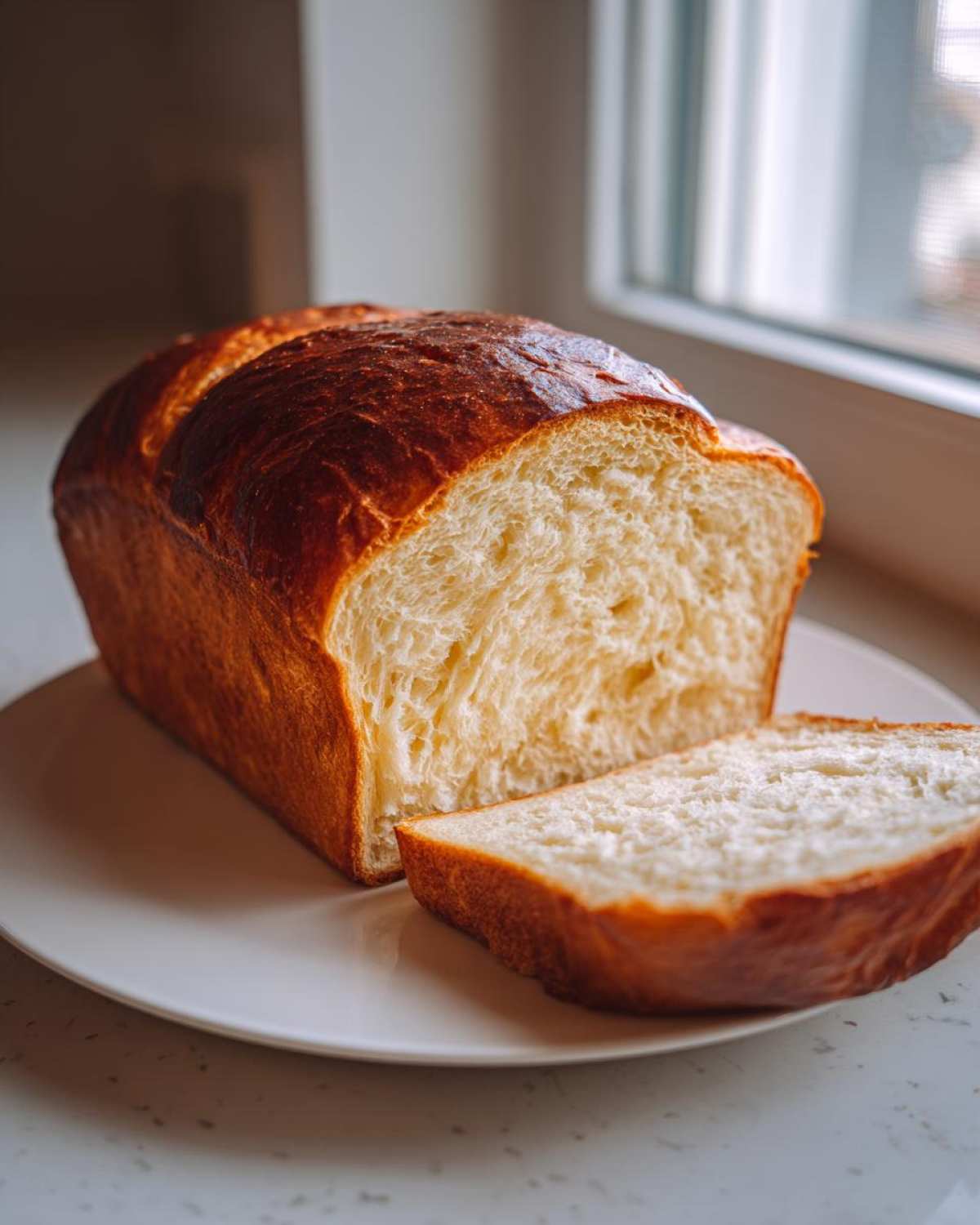
If you are already planning what sweet treat to make next, remember that this cooling time is also essential for recipes like our Classic Buttery Pecan Pie Bars—good things take time to set up!
Frequently Asked Questions About Shokupan Recipe
I know baking something this amazing can bring up a few lingering questions, especially when you are working with new techniques like the Tangzhong. Spoon and I have answered the ones we hear most often beneath here. If you’ve got another burning question, though, please don’t hesitate to reach out to us through the Contact page!
Can I use the Yudane method instead of Tangzhong for Japanese Milk Bread?
That’s a hot topic in the bread world! Yes, you absolutely can use the Yudane method if you prefer it over the Tangzhong paste. The main difference is simply how you activate the starch. With Tangzhong, we cook the flour and liquid into a thick paste on the stovetop. Yudane, which translates to ‘scalded dough,’ involves pouring boiling liquid right over your flour in the bowl. Honestly, both methods gelatinize the starch perfectly, and you will still end up with that incredible, pillowy bread recipe texture. It’s just a slight technique preference!
How long does this Japanese bakery bread stay soft?
This is my favorite part to brag about! Thanks to the moisture locked inside by the Tangzhong, this bread’s shelf life is fantastic. If you store it properly in an airtight container at room temperature, it stays wonderfully soft and moist for three to four days. That’s why it’s perfect for making ahead of time. It truly is superior to ordinary loaves!
What if I don’t have a stand mixer for this Pillowy bread recipe?
Oh, honey, a stand mixer is handy, but it’s certainly not required! Spoon usually prefers his hands anyway. You can absolutely knead this dough by hand. Just be patient after you add the butter (Step 5). You’ll need to commit about 20 to 25 minutes of steady, firm kneading once the butter melts in. Keep pushing and folding until that dough feels completely smooth, elastic, and passes the windowpane test. It’s a great workout, and when you see the successful result, you’ll feel like a champion baker!
For more insights into traditional baking methods, sometimes I love reading articles like the one on Shokupan from Chopstick Chronicles to see how other bakers approach their techniques!
Storage and Reheating Instructions for Your Soft Loaf
We spent all this time coaxing that beautiful, fluffy texture out of the dough—the last thing we want is soggy or stale corners! Since this loaf is so special, we need to treat it right when we put it away. Remember, the magic ingredient we used, the Tangzhong, is what keeps this Fluffy Asian bread soft for days, but only if we store it correctly.
The number one rule for Storing your Japanese milk bread? Keep it airtight! You need complete protection from the air. Don’t try wrapping it tightly in plastic wrap alone once it’s cooled; that just traps ambient moisture and can make the crust soft in a bad way. Spoon insists we use a good quality zip-top bag or an airtight plastic container.
Keep the sealed loaf or slices right there on the counter at room temperature. Do NOT put this bread in the refrigerator! Seriously, never do it. Refrigeration is the fastest way to turn soft, pillowy bread into something hard and crumbly. Even though it stays nice for three or four days on the counter, everyone knows day one is the absolute best, right?
But what if you’re on day three and want that fresh-from-the-oven feel again? It’s so easy to refresh your slices! You don’t need to microwave the whole loaf because that can make it gummy. Just take a slice (or two!) and give it a quick warm-up. You can pop it in a toaster for a very low setting, or Spoon loves placing slices onto a baking sheet in a low, warm oven (maybe 300°F or 150°C) for just about 5 minutes. This gently reactivates the moisture we trapped with the Tangzhong, bringing back that incredible warmth and tenderness, making it perfect for your next slice of sweet milk bread toast!
PrintUltimate Tangzhong Japanese Milk Bread (Shokupan): Achieve Bakery-Soft Fluffiness at Home
Follow this foolproof recipe to make incredibly soft, fluffy, and pillowy Japanese Milk Bread (Shokupan) using the Tangzhong method. This bread stays moist for days, perfect for your homemade sandwich bread needs.
- Prep Time: 45 min
- Cook Time: 35 min
- Total Time: 3 hours 20 min
- Yield: 1 loaf (about 12 slices)
- Category: Baking
- Method: Baking
- Cuisine: Japanese
- Diet: Vegetarian
Ingredients
- 100g Bread Flour (for Tangzhong)
- 300g Milk (for Tangzhong)
- 450g Bread Flour (for Dough)
- 50g Granulated Sugar
- 1 teaspoon Salt
- 7g Instant Dry Yeast
- 1 large Egg (room temperature)
- 120ml Whole Milk (cold)
- 60g Unsalted Butter (softened)
- For Egg Wash: 1 Egg yolk mixed with 1 teaspoon water
Instructions
- Prepare the Tangzhong: Whisk the 100g bread flour and 300g milk together in a small saucepan until smooth. Heat over medium-low heat, stirring constantly, until the mixture thickens significantly, resembling a thick paste (about 65°C or 150°F). It should leave a trail when you drag a spatula through it. Remove from heat, cover the surface directly with plastic wrap to prevent a skin from forming, and let it cool completely to room temperature.
- Mix Dry Ingredients: In the bowl of a stand mixer fitted with the dough hook, combine the 450g bread flour, sugar, salt, and instant dry yeast. Mix briefly on low speed to combine.
- Add Wet Ingredients: Add the cooled Tangzhong paste, the room temperature egg, and the cold milk to the dry ingredients. Mix on low speed until a shaggy dough forms.
- Knead the Dough: Increase the speed to medium-low and knead for about 5 to 7 minutes until the dough starts to come together and pulls away from the sides of the bowl.
- Incorporate Butter: Add the softened butter, one piece at a time, allowing each piece to incorporate before adding the next. Continue kneading for another 10 to 15 minutes until the dough is smooth, elastic, and passes the windowpane test (you can stretch a small piece thin enough to see light through it without tearing).
- First Proof: Place the dough in a lightly oiled bowl, turning to coat. Cover the bowl and let it rise in a warm place until doubled in size, about 1 to 1.5 hours.
- Shape the Loaf: Gently deflate the dough. Divide the dough into three equal pieces. Roll each piece into a tight ball. Let the balls rest for 15 minutes, covered. After resting, flatten each ball slightly and roll it up tightly into a log shape. Place the three logs side-by-side into a greased 9×5 inch loaf pan, ensuring the seams are facing down.
- Second Proof: Cover the loaf pan loosely with plastic wrap or a damp towel. Let it proof in a warm spot until the dough has risen about 80-90% of the way up the pan, about 45 to 60 minutes. The dough should look puffy.
- Bake: Preheat your oven to 175°C (350°F). Gently brush the top of the dough with the egg wash. Bake for 30 to 35 minutes, or until the top is golden brown and the internal temperature reaches 93°C (200°F). If the top browns too quickly, loosely tent it with foil.
- Cool: Immediately remove the bread from the pan and let it cool completely on a wire rack before slicing. This step is important for the soft texture.
Notes
- The Tangzhong method is the secret to this bread that stays soft for days. Do not skip cooling the paste completely before adding it to the dough.
- For a pull apart loaf, use three smaller rolls instead of shaping them into one large loaf.
- If you do not have a stand mixer, you can knead this dough by hand, which will take about 20 to 25 minutes of continuous work after the butter is added.
Nutrition
- Serving Size: 1 slice
- Calories: 180
- Sugar: 7
- Sodium: 180
- Fat: 5
- Saturated Fat: 3
- Unsaturated Fat: 2
- Trans Fat: 0
- Carbohydrates: 28
- Fiber: 1
- Protein: 5
- Cholesterol: 30