

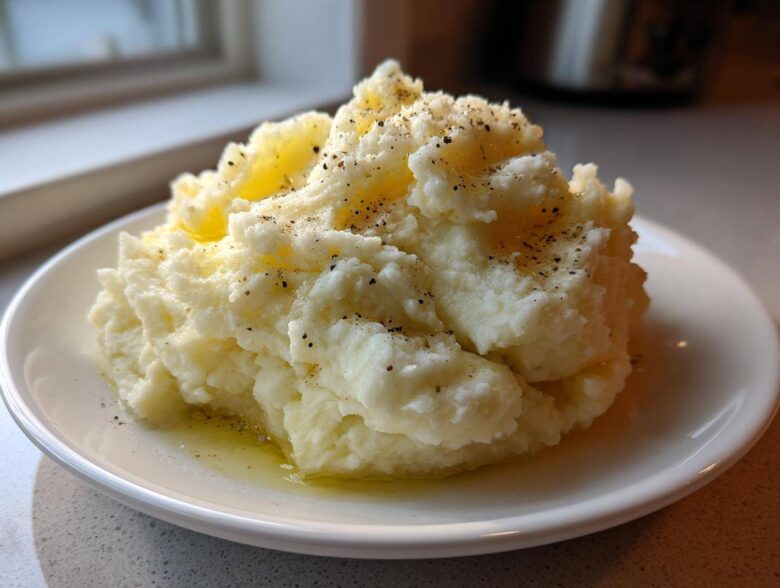
Oh, if there’s one dish that screams comfort, security, and Sunday dinner all rolled into one, it’s a perfect pile of buttery potatoes. I spent years chasing the dream of truly creamy mashed potatoes that weren’t secretly gummy or watery. I ruined several holiday meals making them too thin! Then I realized the secret wasn’t just in the ingredients, but in giving the potatoes a little respect during the cooking process. This recipe is my absolute winner—it delivers the most reliably fluffy mashed potatoes imaginable, every single time. Forget complicated steps; we’re focusing on technique here.
Why You Will Make The Best Mashed Potatoes With This Recipe
I’m telling you, these aren’t just ‘good’ mashed potatoes; these are the ones people ask for leftovers of! We nail the texture every time, and honestly, they don’t require any fancy equipment either. Here’s what makes this recipe a winner for your kitchen:
- Ultimate Creamy Texture: We use warm whole milk and rich butter, folded in gently, which guarantees a smooth, velvety mouthfeel. No lumps allowed!
- Reliably Fluffy Results: By properly draining and drying the spuds after boiling, we avoid that dreaded watery disaster that ruins everything.
- Deep Buttery Flavor: We use a generous amount of high-quality unsalted butter—it’s the backbone of this classic potato recipe. Don’t skimp here!
- Perfect for Any Event: Whether you need a quick weeknight side recipe or the star of your big holiday side dishes menu, these hold up beautifully.
- Simple Ingredient List: This is a true classic potato recipe relying on ingredients you likely already have in your fridge.
- Mistake-Proof Technique: I’ve broken down the process specifically to help you avoid the common pitfall of over-mixing and ending up with gluey potatoes.
Ingredients for Perfect Creamy Mashed Potatoes
Okay, let’s talk about what goes into the bowl. You don’t need a long list of fancy herbs or liquids for The Best Mashed Potatoes; you just need the right things handled correctly. My focus here is on richness—that deep, comforting flavor only comes from good fat and good dairy.
For this recipe, I swear by using quality butter. Seriously, use the good stuff! It makes a noticeable difference in the overall flavor profile of your buttery potato side dish.
- Three pounds worth of Russet or Yukon Gold potatoes. Make sure they are peeled and then quartered. We’ll talk about why these two types are the best in a bit!
- One full cup of whole milk. Please, trust me on the whole milk. Anything less just doesn’t cut the starch right to get that luxurious smoothness we are aiming for.
- Eight tablespoons of unsalted butter, cut right into little pieces. Cutting them up helps them melt evenly when we warm them with the milk.
- One teaspoon of salt, plus extra to generously season the water you boil them in. Flavor starts here!
- Half a teaspoon of freshly ground black pepper.
- And here’s my little boost for extra richness—two tablespoons of sour cream or even softened cream cheese. This is totally optional, but wow, does it crank up the creaminess factor when you want a truly decadent holiday side.
If you want to see how I incorporate a little punch of flavor into a similar dish, check out my recipe for Garlic Mashed Potatoes with Butter Recipe! But for this classic version, these ingredients are your passport to perfection when we follow the steps carefully.
Expert Tips for Choosing Potatoes for Mashed Potatoes
Choosing the right spud is honestly 50% of the battle when you’re trying to achieve those legendary creamy mashed potatoes. I learned this the hard way after using waxy little red potatoes that just refused to get fluffy—they stayed stubbornly smooth but lacked body. You need starch, my friends, lots of it!
If you go to the store and just grab whatever looks good, you might end up disappointed. You need to decide what texture you want first, because the two best choices for a classic potato recipe behave very differently in the pot.
Russet vs. Yukon Gold: Which Potato Makes the Best Mashed Potatoes?
Okay, this is where you make your big decision. Both are fantastic, but they give slightly different results, which is why I included both in the ingredient list above. It all comes down to starch content, which dictates how fluffy or how rich your final homemade mashed potatoes will be.
If your goal is the absolute fluffiest texture, light as air—the kind that soaks up gravy instantly—go for Russets. They are high in starch, which means they break down easily into a powdery fluff when mashed. They are a little drier, so they absolutely demand plenty of that warm butter and milk.
Now, if you are aiming for that naturally rich, slightly yellow color and a naturally creamy mouthfeel without having to add tons of extra fat, you need Yukon Golds. They have medium starch and more natural moisture. They yield incredibly smooth mashed potatoes that taste naturally buttery, even before you add an ounce of butter (though, of course, we add plenty!).
My personal pick for the best experience is often a 50/50 blend of the two—you get the fluff of the Russet and the inherent richness of the Yukon Gold! Quick hint: just avoid waxy potatoes like red-skinned ones or fingerlings for this specific side dish. They hold too much moisture; they are better for roasting or boiling whole.
Step-by-Step Instructions for Smooth Mashed Potatoes
Getting truly creamy mashed potatoes requires respecting a few non-negotiable phases. Don’t rush these steps, especially when it comes to the water and the heat—it makes a massive difference to the final texture, trust me! We are building flavor and ensuring fluffiness right from the start of our easy potatoes recipe.
- First things first: put all those lovely peeled and quartered potatoes into your biggest pot. They need a cold bath! Cover them with cold water so they are about an inch submerged, and toss in a tablespoon of salt—this seasons them from the inside out.
- Get that water roaring hot! Bring it up to a boil over high heat. Once it’s bubbling nicely, dial that heat back to a steady simmer. Cook them low and slow for about 15 to 20 minutes. You’ll know they’re done when a fork slides in with zero resistance; they should practically fall apart.
- Time for the essential drainage act! Dump the whole lot into a colander immediately and let them just sit there for about five minutes. Don’t skip this; we need all that excess steam gone before we start working them.
- Return those drained potatoes right back into the empty, warm pot you just used. Pop that pot over the lowest heat setting for just one minute, shaking them gently. This evaporates any lurking surface moisture, which is the secret weapon against watery potatoes! Take them off the heat now.
- While your taters are steaming dry, gently heat your milk and butter together in a small saucepan until the butter is just melted. We are warming it, not boiling it! Keep it just warm to the touch.
- Now, you can mash them! Use your potato masher or, if you have one, push them through a ricer directly into the pot. Mash until they are *mostly* smooth.
- Start adding that warm milk and butter mixture gradually. Fold it in using a spatula or mix on the lowest speed possible if you must use a hand mixer—and I mean *low*. Mix only until everything is just incorporated and silky smooth.
- Finally, stir in your salt, pepper, and any optional sour cream or cheese. Taste it! Adjust the seasoning until it sings. Serve immediately for the best texture. If you want to explore ways to turn leftovers into something special, you might love my recipe for Loaded Leftover Mashed Potato Casserole!
The Critical Drying Step for Fluffy Mashed Potatoes
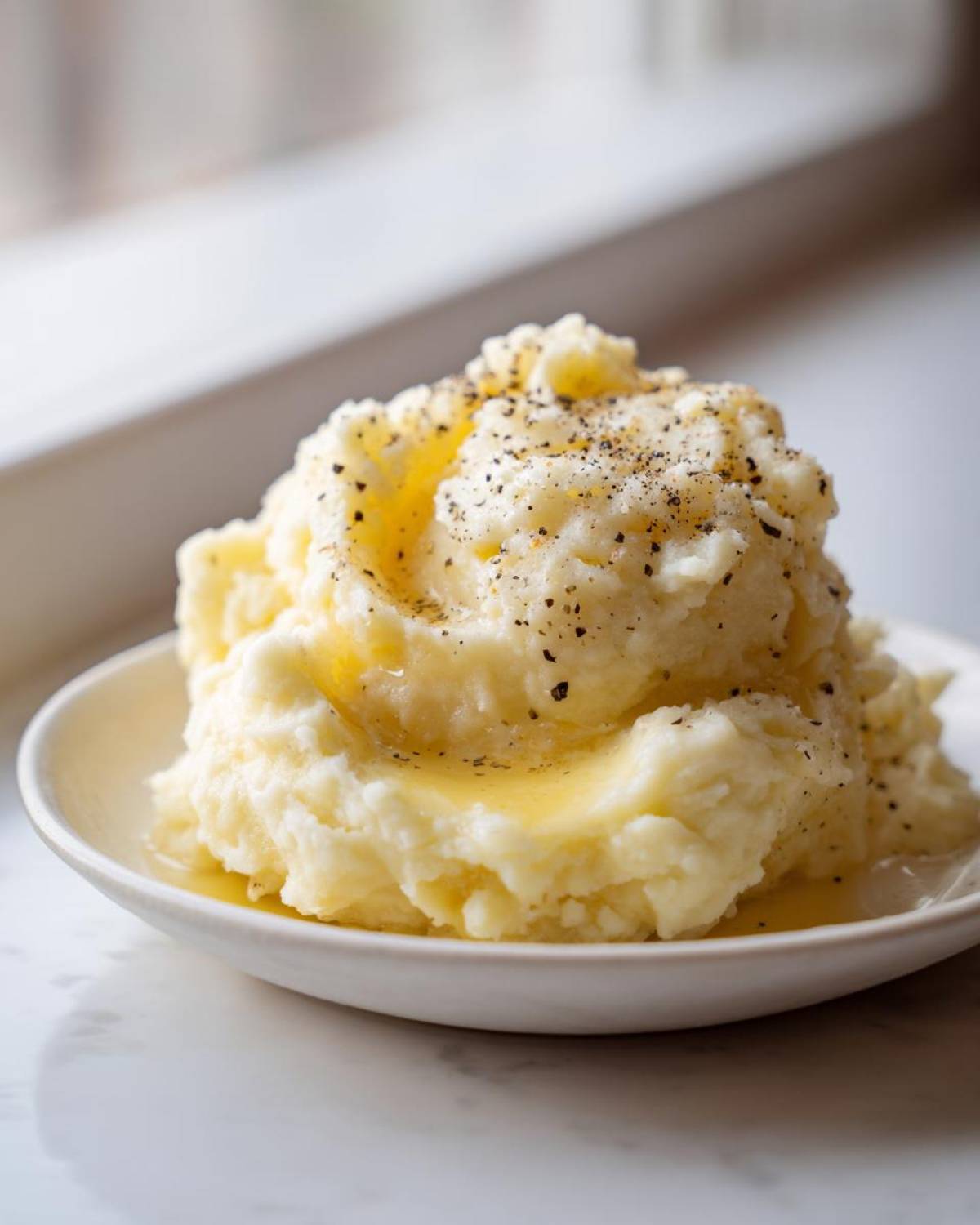
Listen, if there is one non-negotiable step for me to give you truly fluffy mashed potatoes, this is it: those five minutes of steaming off the excess water in the empty pot. I know it feels like an extra pause when you’re hungry, but think about it—if you pour warm cream over wet potatoes, what happens? You cook the starch too aggressively, and the water just sits there, resulting in that gluey, heavy texture we absolutely hate.
When you keep the pot on low heat for that minute and shake them, you are essentially micro-toasting the outside of the starch granules. It allows them to absorb the fats and liquids better later on, creating air pockets instead of turning into one big, dense blob. It’s magic, honest!
Warming Dairy for Creamy Mashed Potatoes
This tip goes hand-in-hand with the drying step. Never, ever add cold milk or cold sour cream directly to hot potatoes! I’ve seen people do it, and honestly, it shocks the starches in the most unwelcome way. It makes them seize up and prevents them from relaxing into those beautiful, smooth mashed potatoes we are aiming for.
By gently warming your milk and butter together, you ensure that when you introduce the liquid to the hot, fluffy potato base, it blends seamlessly without cooling everything down too fast or causing that starch shock. It’s all about maintaining that perfect temperature gradient throughout the *creaming* process.
Techniques to Avoid Gluey Mashed Potatoes
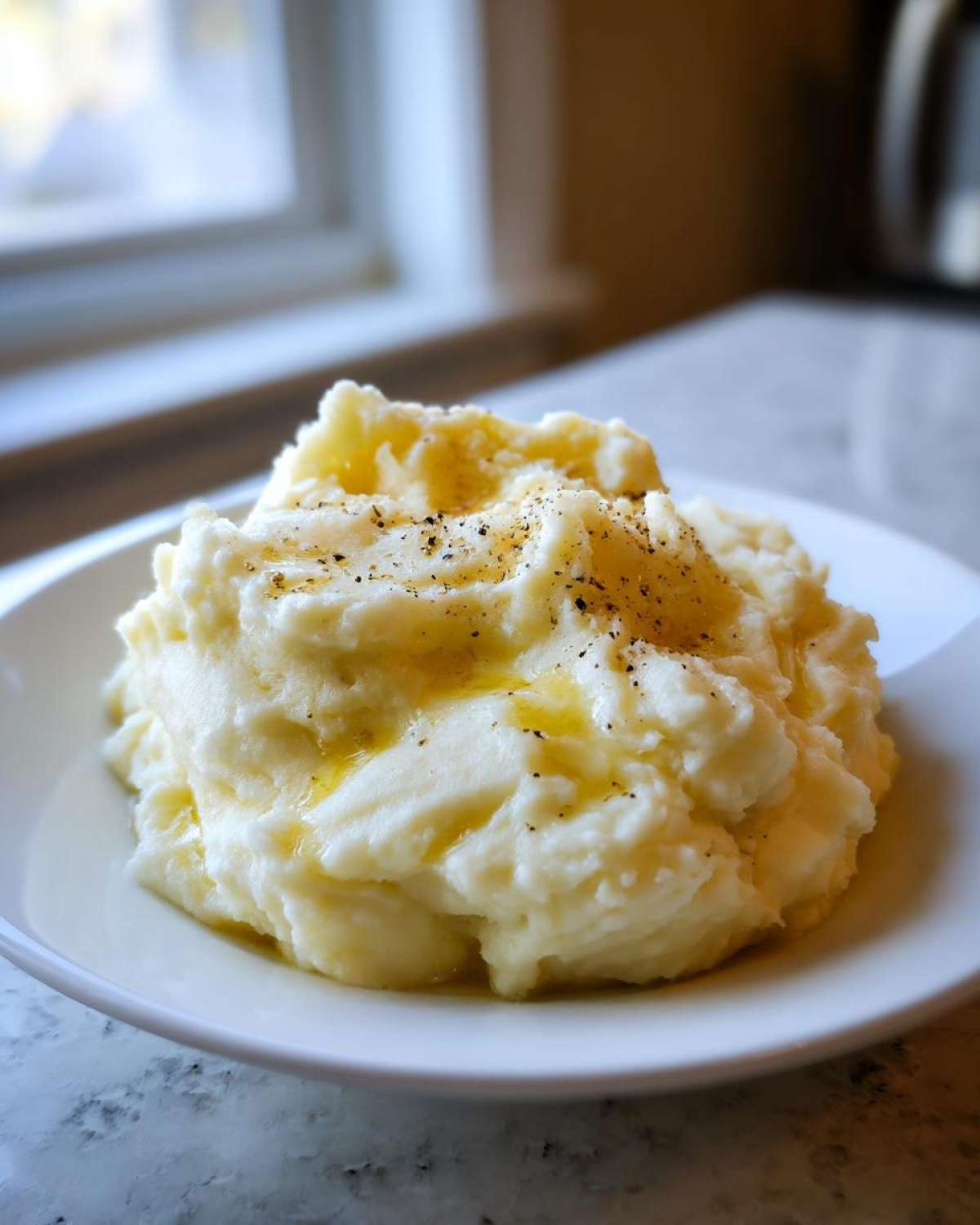
Alright, let’s get serious for a minute about the number one potato disaster: the gluey, sticky batch. We’ve all been there. You look down, expecting something light and dreamy, and instead, you’ve created a starch paste that could patch drywall. This happens when you agitate the potato starch too much, forcing it to release moisture and stick together in long, terrible strands.
My goal with this classic potato recipe is to keep those potato cells intact as much as possible while incorporating the fats. If you remember nothing else from this whole guide to making the best mashed potatoes, remember this: treat your potatoes gently once they are cooked!
Here are the cardinal sins you must avoid if you want fluffy, light, and perfect homemade mashed potatoes:
- Stop Using the Mixer on High Speed! Seriously, put the big stand mixer away unless you are using the paddle attachment on the absolute lowest setting, and even then, use caution. A powerful electric mixer is your enemy here; it breaks down the starches too aggressively and whips too much air in, leading to density issues later on.
- Do Not Over-Mash: As soon as the potatoes look mostly smooth—and I mean *mostly*—stop mixing! A few tiny lumps are totally acceptable, even encouraged, in my book. They add character! Consistency is less important than texture integrity at this stage.
- Resist the Urge to Keep Beating: Once you’ve added the warm dairy mixture, fold it until it’s just combined. If you keep beating for another 30 seconds just to see the mixture change dramatically, you’ve gone too far and you’ve entered the danger zone of gluey mashed potatoes.
For the best results on this whole easy mashed potatoes recipe, stick to tools that are designed to break the potato open gently. A simple, sturdy hand masher is great, but honestly, the best tool in my opinion is a potato ricer. It forces the cooked potato through tiny holes, creating those small, separated pieces that absorb fat beautifully without getting overworked. If you don’t have one, a food mill also works wonders for achieving those ideal smooth mashed potatoes!
Making Mashed Potatoes Ahead of Time for Holiday Side Dishes
Holidays are stressful enough without having to mash three pounds of potatoes right as the roast beef is resting! This is where planning comes in clutch, and I’m happy to tell you that these potatoes handle a little resting time like champs—provided you treat them right before and after the break.
If you can get the majority of the work done the day before your big dinner, you’ll feel like a scheduling superstar. Whether you plan to chill them or freeze them solid for later, the secret to bringing them back to life as glorious creamy mashed potatoes is gentle reheating and rehydration.
For quick reference, if you’re looking for a great way to use up leftovers later, check out how I turn odds and ends into amazing Turkey Cranberry Enchiladas! But for keeping these potatoes fresh, here are my tested methods.
Refrigerating Your Classic Potato Recipe
If you’re making these the morning of or the day before your meal, refrigeration is the way to go. Once you finish mixing everything up and they look perfectly smooth, transfer your buttery potato side dish into an airtight container. Don’t just leave them sitting in the serving bowl uncovered, or they will absolutely form a dry skin—and nobody wants to scrape dried potato skin off.
When it’s time to serve, you cannot just plop them in the microwave and blast them! Cold potatoes seize up when they get too hot too fast. Take them out of the fridge about an hour before you plan to reheat them. Then, put them in a heavy-bottomed pot over very low heat. You absolutely must stir in a little extra splash of warm milk or a tablespoon of butter as you stir gently. Just keep them moving until they are evenly heated through. This extra fat and liquid is essential to restore that beautiful, luscious texture.
Freezing Mashed Potatoes for Later
I often make a double batch around Thanksgiving just to freeze half for Christmas dinner. It’s a lifesaver! For freezing, skip the sour cream or cream cheese additions at the initial mixing stage, as they can sometimes separate slightly when thawed, making the texture a tiny bit grainy. Stick to just the potatoes, milk, butter, salt, and pepper for the best long-term results.
Portion the batch into freezer-safe bags or small containers. Flatten the bags down so they freeze evenly—this makes thawing way faster! When you’re ready to reheat from frozen, thaw them in the fridge overnight first. Then, reheat them slowly on the stovetop over low heat, adding that extra warm milk or butter just before they are completely thawed. You might need a little more liquid than you think to bring them back to that picture-perfect, fluffy mashed potatoes consistency!
Serving Suggestions for Buttery Potato Side Dish
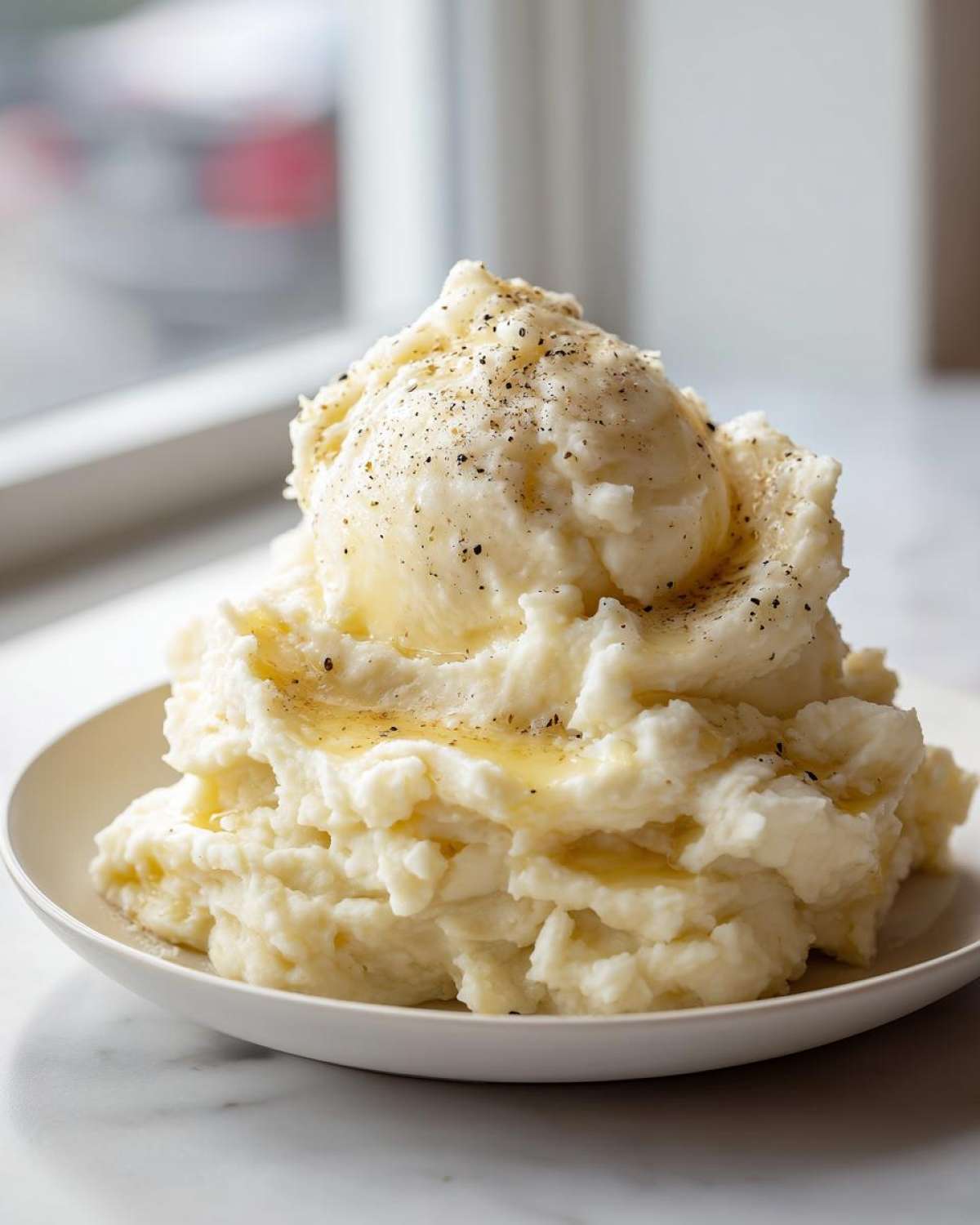
These aren’t just any potatoes; they’re the star side dish, which means they deserve an equally amazing main course partner! When you’ve gone to all this trouble to create the ultimate buttery potato side dish, you want something that soaks up all those delicious creamy juices. Frankly, they are perfect with almost anything savory, but some pairings just hit differently.
I like to keep things classic when I pull out this recipe, especially around the holidays or when I want that big, cozy comfort food feeling. You want something with a good bit of simple, hearty flavor that won’t fight the richness of the butter and cream.
- The Perfect Roast Chicken: Seriously, you cannot beat slicing into a golden-brown roast chicken and spooning a huge dollop of these potatoes right onto the plate. The herbs on the chicken and the pure richness of the potatoes balance so beautifully.
- A Hearty Steak or Meatloaf: Whether it’s a grilled ribeye or my famous homestyle meatloaf (hello, savory flavor!), these potatoes are the ideal soft landing pad for any pan gravy or steak juices you might have. They are just begging for a little gravy!
- Slow-Cooker Pot Roast: When I pull a tender pot roast out of the slow cooker, falling apart and swimming in its savory broth, I know immediately I need a mountain of these! The potatoes soak up that broth texture like nothing else.
- Classic Pork Chops: Especially if you serve the pork chops with a simple apple or mustard reduction sauce, the sweetness and the sharp acidity cut right through the richness of our best mashed potatoes, making every bite feel perfectly balanced.
If you’re looking for another great classic comfort recipe that warms you up just the same way these potatoes do, you absolutely must try my recipe for the Classic Chicken Noodle Soup with Vegetables. It’s pure nostalgia in a bowl!
Frequently Asked Questions About Homemade Mashed Potatoes
It’s like you read my mind! Whenever I share this recipe, people always have great questions about substitutions or how to handle things when they’re running behind schedule. Getting genuinely creamy mashed potatoes isn’t rocket science, but knowing these little details sure helps prevent hiccups. Here are the things people ask me most often about making the best homemade mashed potatoes.
Can I substitute the milk in this Classic Potato Recipe?
Oh, absolutely, life happens and sometimes you run out of whole milk! If you use heavy cream, that’s fantastic—your buttery potato side dish will just be ridiculously rich. If you use half-and-half, that’s fine too, but frankly, the texture might be slightly less luscious because there’s less fat content relative to the starch. Now, if you’re attempting non-dairy, like almond or oat milk, you must be extra careful. Non-dairy milks don’t have the fat to bind the starch in the same way. You might need to lean heavily on that optional butter or cream cheese to keep things creamy, otherwise, you risk a grainy texture in your classic potato recipe. And please, avoid using plain water unless you are planning to add huge amounts of butter or sour cream later—water just doesn’t deliver the flavor we need!
How long can I keep mashed potatoes warm without drying them out?
This is key, especially when you’re hosting a big meal or trying to time everything perfectly. You don’t want to make your perfect mashed potatoes an hour early and then serve dry hockey pucks! The secret to keeping them nice and supple for serving is a slow cooker set to the ‘warm’ setting. Transfer your finished batch into the slow cooker insert, add just a tiny splash more warm milk or butter on top, and give it a gentle stir.
Set the slow cooker to low or warm—not high! Keep the lid on tight. They should stay perfectly scoopable and creamy for up to two hours this way. If they start looking stiff later on, give them one last gentle mix with another half teaspoon of warm milk before you serve them up. It really works like a charm so you don’t stress about last-minute preparation of your final mashed potatoes.
How long can I keep mashed potatoes warm without drying them out?
This is key, especially when you’re hosting a big meal or trying to time everything perfectly. You don’t want to make your perfect mashed potatoes an hour early and then serve dry hockey pucks! The secret to keeping them nice and supple for serving is a slow cooker set to the ‘warm’ setting. Transfer your finished batch into the slow cooker insert, add just a tiny splash more warm milk or butter on top, and give it a gentle stir.
Set the slow cooker to low or warm—not high! Keep the lid on tight. They should stay perfectly scoopable and creamy for up to two hours this way. If they start looking stiff later on, give them one last gentle mix with another half teaspoon of warm milk before you serve them up. It really works like a charm so you don’t stress about last-minute preparation of your final mashed potatoes.
What is the best mashing tool for achieving smooth mashed potatoes?
If you only take one piece of advice about tools, make it this: ditch the powerful electric standing mixer unless you are a seasoned professional who knows exactly how to control the speed! For the most consistently smooth mashed potatoes that stay fluffy, you really want a gentle approach. A hand masher is perfectly fine if you are patient and don’t overwork the mixture.
But honestly, my favorite, most reliable tool for delivering light and fluffy results every time is a potato ricer. It forces the cooked potato through small holes, guaranteeing that every single piece is uniform in texture and light in consistency before you even add the dairy. If you don’t have a ricer, a food mill is the second-best tool for making perfect, lump-free homemade mashed potatoes. They all help avoid the dreaded over-mixing that makes things gluey!
Nutritional Estimate for Your Mashed Potatoes
Now, I know when we’re cooking big bowls of comfort food like these amazing mashed potatoes, we aren’t usually tracking every single macro, right? We’re just trying to enjoy that incredible, buttery flavor! But since I calculate every recipe I put out, I’ve included the estimate below based on the exact amounts of whole milk and butter we use in this method for truly creamy mashed potatoes.
Keep in mind, dear reader, these numbers are just a baseline for our Classic Potato Recipe. If you decide to go wild with extra cream cheese or use less butter (which I highly discourage when making the *best* mashed potatoes!), your totals will change. These estimates are based on dividing the total recipe yield into 6 generous servings.
- Serving Size: 1 serving
- Calories: About 250
- Fat: 14g (Most of this is the good, rich butter)
- Saturated Fat: 9g
- Carbohydrates: 30g
- Fiber: 3g
- Protein: 5g
- Sodium: Around 350mg (Remember, this really depends on how much you salt the water!)
A Quick Note on Estimates: Please treat these figures as a friendly guide rather than strict dietary fact. I used standard store-bought whole milk and unsalted butter in my own testing for these fluffy mashed potatoes. Your exact measurements, the specific brand of salt you use, or if you decide to add some of that optional sour cream will shift these totals slightly. The goal here is to enjoy these decadent, homemade mashed potatoes without worrying too much about the exact count!
PrintThe Best Creamy, Fluffy Mashed Potatoes

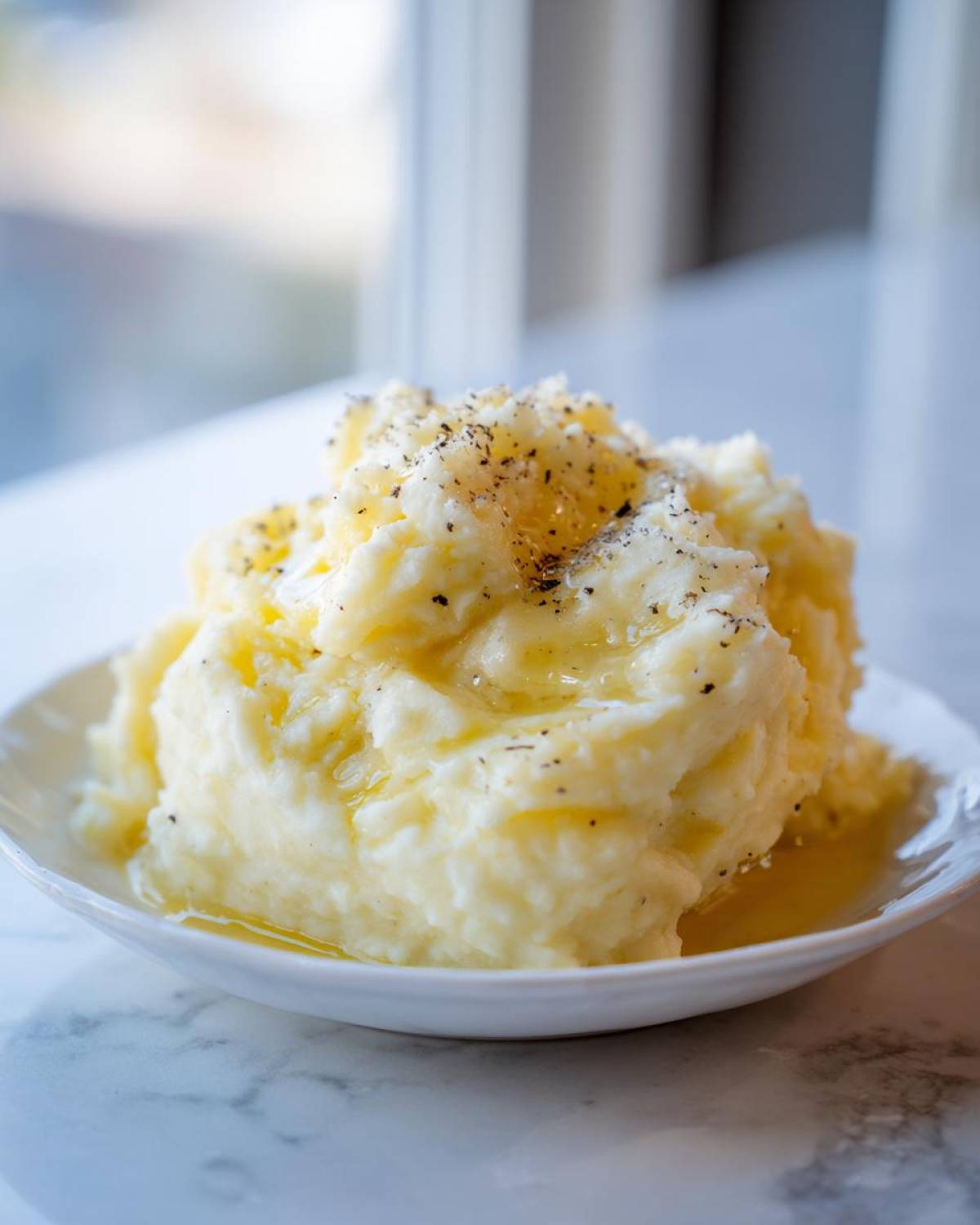
This recipe provides simple steps for making classic, buttery mashed potatoes with a perfectly creamy and fluffy texture.
- Prep Time: 15 min
- Cook Time: 25 min
- Total Time: 40 min
- Yield: 6 servings
- Category: Side Dish
- Method: Boiling and Mashing
- Cuisine: American
- Diet: Vegetarian
Ingredients
- 3 lbs Russet or Yukon Gold potatoes, peeled and quartered
- 1 cup whole milk
- 8 tablespoons unsalted butter, cut into pieces
- 1 teaspoon salt, plus more for boiling water
- 1/2 teaspoon black pepper
- Optional: 2 tablespoons sour cream or cream cheese for extra richness
Instructions
- Place the peeled and quartered potatoes in a large pot. Cover them with cold water by about one inch. Add 1 tablespoon of salt to the water.
- Bring the water to a boil over high heat. Reduce the heat to maintain a steady simmer. Cook for 15 to 20 minutes, or until the potatoes are easily pierced with a fork.
- Drain the potatoes completely in a colander. Let them sit in the colander for 5 minutes to allow excess steam to escape. This step helps prevent watery potatoes.
- Return the drained potatoes to the warm, empty pot. Place the pot over low heat for 1 minute, gently shaking the pot to dry the potatoes further. Remove from heat.
- In a small saucepan, gently heat the milk and butter together until the butter is melted. Do not boil the mixture.
- Using a potato masher or a ricer, mash the potatoes until mostly smooth. If using a ricer, push the potatoes through directly into the pot.
- Gradually pour the warm milk and butter mixture into the potatoes while gently folding with a spatula or mixing on low speed if using a hand mixer. Mix only until just combined and creamy. Overmixing creates gluey potatoes.
- Stir in the salt, pepper, and optional sour cream or cream cheese until incorporated. Taste and adjust seasoning as needed. Serve immediately.
Notes
- Use starchy potatoes like Russets for fluffiness or Yukon Golds for a naturally buttery flavor and creamy texture.
- For the creamiest results, warm your dairy (milk and butter) before adding it to the potatoes.
- Avoid using an electric mixer on high speed, as this develops too much starch and makes the potatoes gluey.
Nutrition
- Serving Size: 1 serving
- Calories: 250
- Sugar: 3
- Sodium: 350
- Fat: 14
- Saturated Fat: 9
- Unsaturated Fat: 5
- Trans Fat: 0
- Carbohydrates: 30
- Fiber: 3
- Protein: 5
- Cholesterol: 35