

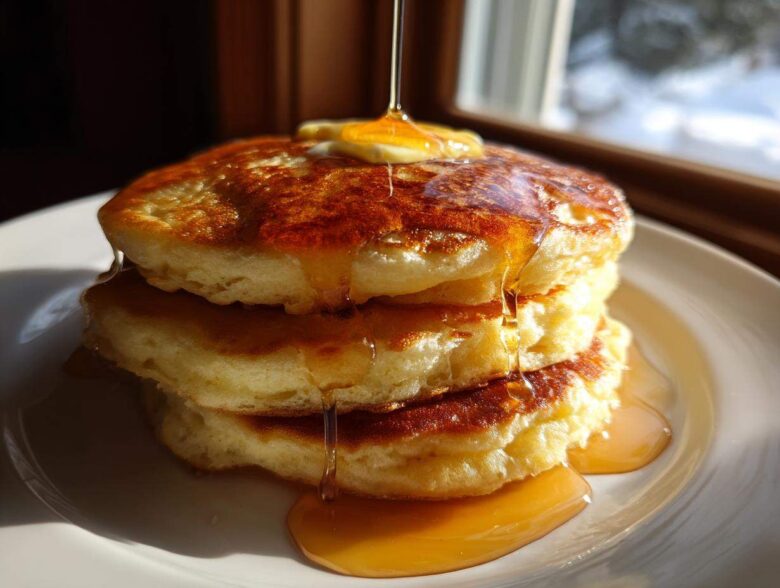
There is honestly nothing that beats a Saturday morning when you know you have time to make a proper breakfast, right? Forget those thin, floppy things you sometimes get when you’re rushing during the week. I’m talking about the real deal: the thick, towering, impossibly airy stacks of The Absolute Best Fluffy Old-Fashioned Buttermilk Pancakes.
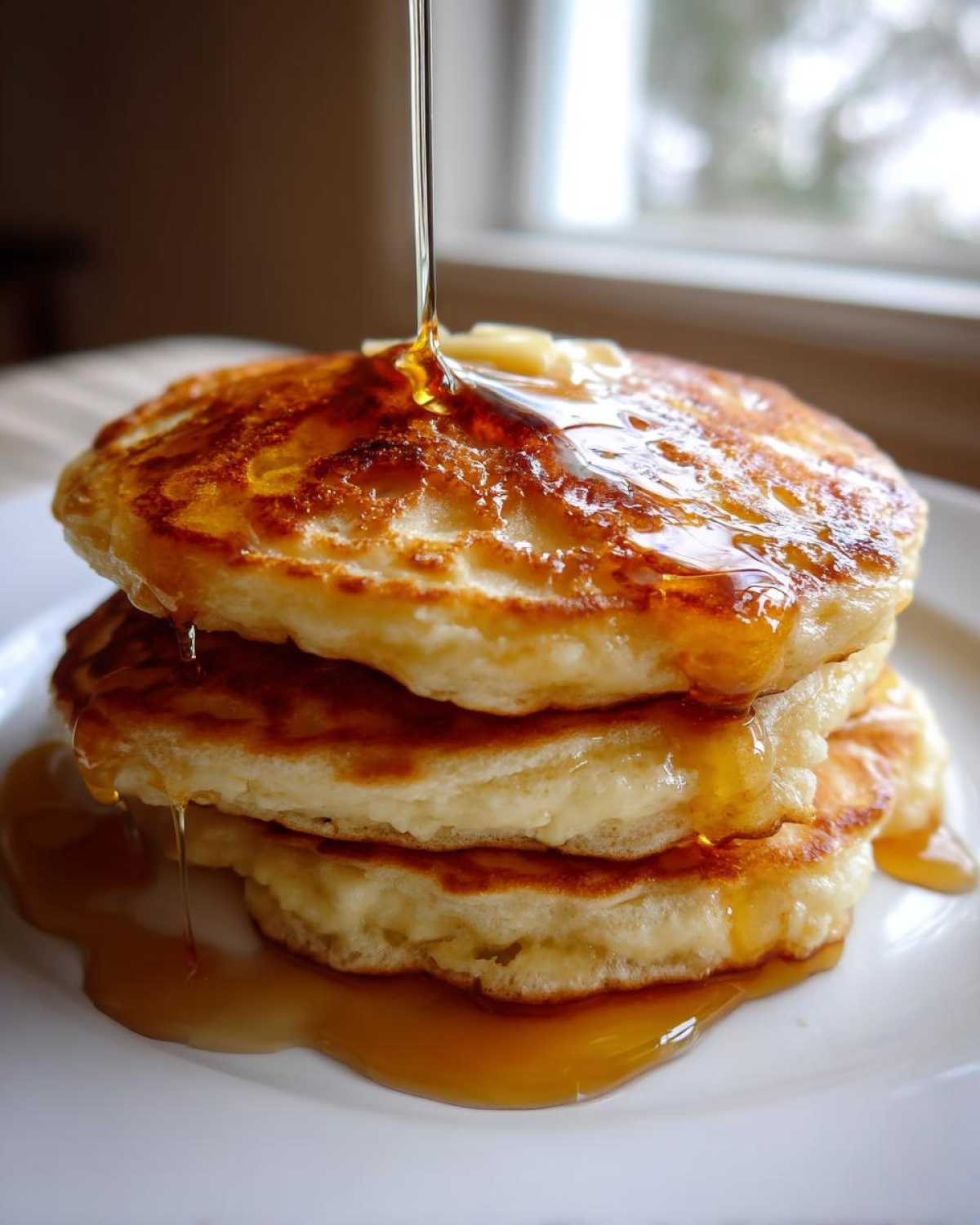
After years of trying countless methods—some too dense, some that deflated before they hit the plate—I finally cracked the code for truly light and airy results. This isn’t a complicated recipe; it just relies on a couple of old-fashioned tricks that make all the difference. Trust me, once you master these simple pancakes, you won’t look back. We’re aiming for that perfect golden-brown exterior that gives way to a pillowy, moist interior every single time.
My secret, which I’ll share in depth below, is all about managing the butter temperature and, most importantly, knowing when to stop stirring the batter. It sounds silly, but it’s the secret passed down from my aunt who used to run a super popular brunch spot. You can check out some of my other favorite quick breakfast ideas while you wait for the griddle to heat up!
Why These Are the Best Fluffy Old-Fashioned Buttermilk Pancakes
What makes the difference between a pancake that lies flat and one that stands up proud? It’s all in the chemistry, honestly! These recipes deliver that signature Thick and Fluffy Breakfast you see online, and they really do taste like something made from scratch, not a box mix. We’re talking about Light and Airy Pancakes that feel substantial but melt in your mouth.
We use buttermilk because it’s acidic. That acid is what reacts so beautifully with both the baking soda AND the baking powder in the recipe. This double-acting lift gives us layers of rise, making these pancakes absolutely heavenly.
Achieving Ultimate Fluffiness in Your Pancakes
You need that chemical reaction happening fast, but only briefly! The buttermilk wakes up the baking soda, and the baking powder is there just to give an extra burst when it hits the heat on the griddle. It’s a teamwork effort, and we want to capture all that fizzy goodness before it fizzles out. That’s why you should never, ever let this batter sit around—you mix it, let it rest for five minutes, and get going!
Gathering Ingredients for Perfect Pancakes
Okay, the ingredient list for these Old Fashioned Pancakes is dead simple—you probably have everything sitting in your pantry right now, which is why I call this the ultimate Easy Homemade Pancakes Recipe. We keep it pure: flour, sugar, salt, the leaveners, and buttermilk, which is the star here.
Make sure you have 1 3/4 cups of actual buttermilk on hand for the best results. Don’t cheat on the butter either; it needs to be fully melted before you add it in. You’ll need two large eggs, and remember, the recipe makes about 12 of these thick beauties.
Step-by-Step Instructions for Foolproof Pancakes
Now for the fun part! Getting the Simple Pancake Batter right is about 80% of the battle for those thick and fluffy results. Since we rely on reaction time, measuring everything precisely before you start mixing is a huge help. This way, you can move fast once you combine the wet and dry.
- First, grab a big bowl for the dry stuff—that’s all the flour, sugar, baking powder, baking soda, and salt. Give those a good whisk together until they’re totally married.
- In a separate bowl, you’ll mix your liquids: the buttermilk and those two large eggs. Whisk them just until they look happy together.
- Time to combine! Pour the wet mix right into the dry. And here’s the most important part I always stress to people: Mix gently! You just want to incorporate everything. If you see some dry flour streaks or a few small lumps? Great! That’s exactly what we want for those airy pancakes.
- When the batter looks shaggy, gently whisk in the 4 tablespoons of melted butter. Seriously, that’s it for mixing. Now, cover that bowl and let the batter rest for five minutes. This tiny break is crucial for those leavening agents to get working.
- While that rests, get your griddle heating up over medium heat. Don’t crank it too high, or the outside will burn before the middle cooks through!
Mixing the Simple Pancake Batter
When I say “a few lumps are acceptable,” I mean it. If you mix until it’s perfectly smooth, you’ve just developed gluten, which turns your beautiful, light batter into sad, chewy rubber frisbees. When you look at the bowl after mixing, you should see spots where the flour clumped up just a little bit. That’s a sign you stopped mixing at the perfect moment. Do not stir it again once the butter is added!
Griddle Temperature and Cooking Secrets for Pancakes
I’m obsessive about griddle temperature, which is why these Easy Homemade Pancakes Recipe instructions are so precise about the heat. Medium heat is your friend. How do you know when it’s ready? Toss a few tiny drops of water onto the surface. If they sizzle immediately and evaporate quickly, you’re golden. If they just sit there, wait a minute. If they disappear instantly in a puff of steam, take the pan off the heat for 30 seconds!
Pour about 1/4 cup of batter for each one. Don’t squish them down! You wait until you see lots of bubbles pop up on the surface and the edges start looking dry and set. That’s your cue to sneak a spatula underneath and flip. The second side cooks much faster, usually just a minute or two until it’s that perfect shade of golden brown.
If you need some extra breakfast inspiration while these cook up, don’t forget you can always browse all my Quick Breakfast Ideas!
Expert Tips for Next-Level Pancakes
Even with the best basic recipe, sometimes you hit a snag. That’s why I always keep a few secret weapons tucked away—these are the Pancake Cooking Secrets that ensure success, even if your fridge is missing one key item. We want every batch to come out perfect, thick, and tender.
Listen, if you are craving these beauties right now but realized you are totally out of buttermilk—don’t panic and certainly don’t run to the store! We have a super reliable fix using regular milk that works nearly perfectly in this recipe. This little trick has saved many of my Sunday mornings when I assumed I had everything ready to go.
Buttermilk Substitutions for Your Pancakes
If you’re fresh out of buttermilk, here is what you do: take one cup of regular milk—any kind works—and stir in exactly one tablespoon of white vinegar or fresh lemon juice. That’s it! Now, you have to let that mixture sit on the counter for about five minutes. You’ll actually see it start to curdle slightly and thicken up. Once it looks a little funky, measure out what you need for the recipe. It mimics the acidity of real buttermilk, giving your baking soda that necessary kick for amazing lift!
Making Pancakes Ahead of Time for Quick Breakfast Ideas
We all love a beautiful, leisurely brunch, but sometimes life is just busy. When Sunday morning rolls around and you don’t have the time to stand over the griddle, these pancakes are lifesavers because they hold up so well! They truly are excellent candidates for Make Ahead Pancakes. You can definitely cook them all at once and save the rest for busy weekday mornings.
If you’re making a huge batch and need to keep some warm while you finish the last few, I always use the oven trick outlined in my notes. Pop those golden rounds onto a baking sheet and keep them in a 200°F oven. They stay perfectly warm without drying out!
For longer storage, let the leftover pancakes cool completely, then stack them between sheets of parchment paper in an airtight container or a zip-top bag. They stay great in the fridge for about three days. When you’re ready to eat them—hello, Quick Breakfast Ideas!—just toast them in the toaster or microwave for about 20 seconds. They heat up beautifully and are ready for syrup in seconds.
Variations on Classic American Pancakes
Once you nail the base recipe—and believe me, once you get that beautiful lift, you’ll be making these every weekend—it’s so fun to customize them! These Classic American Pancakes are sturdy enough to handle just about anything you toss in, but the key is remembering *when* to add the extra stuff so you don’t deflate your beautiful batter.
I always recommend adding mix-ins *after* you’ve poured the wet ingredients into the dry ingredients, right before that final gentle whisk that incorporates the melted butter. Mix quickly, then let it rest. Don’t dump everything in at the beginning; that just weighs the batter down before it even hits the heat!
Here are a few of my favorite ways to switch things up based on whatever mood strikes:
- Blueberry Explosion: Use fresh, small blueberries, or frozen ones (don’t thaw them!). Just sprinkle them gently over the top of the batter after you’ve poured the 1/4 cup onto the griddle. Don’t stir them in! Letting them sit on top ensures they gently sink in without breaking up the delicate bubbles you just worked so hard to create.
- Chocolate Chip Dream: Use mini chocolate chips instead of regular ones. They distribute much better in the Simple Pancake Batter. Again, sprinkle them over the liquid batter right after you pour it onto the hot surface.
- Warm Spice Twist: This is an easy one that changes the whole flavor profile! Add about 1 teaspoon of ground cardamom or a whole teaspoon of ground cinnamon directly into your dry ingredients when you whisk them together. It gives them such a cozy, warm smell. If you love that spiced flavor, you should check out my recipe for gingerbread pancakes!
Remember, whatever you choose to add, keep the total amount of mix-ins to about 1/2 cup for every 12 pancakes you make. Too much extra weight, and they’ll turn into sad, dense discs, and we just can’t let that happen!
Serving Suggestions for Weekend Brunch Recipes
Okay, you’ve pulled off the fluffiest stack of pancakes known to humankind. What happens next? We need to honor that effort with toppings that actually belong next to those towering clouds of buttermilk goodness! This is where we elevate these from ‘quick weekday breakfast’ to ‘proper Weekend Brunch Recipes‘ territory.
The biggest mistake people make is drowning their beautiful pancakes in thin, watery syrup. If you didn’t make your own, please buy the thickest, darkest grade of maple syrup you can find. It pools better and tastes so much richer alongside the tangy buttermilk flavor.
I like to keep the toppings fresh and seasonal, but here are the tried-and-true favorites that never fail to impress:
- The Classic Trio: Real butter, slowly melting into the divots of the hot pancake, combined with that Grade A maple syrup and a light dusting of powdered sugar. You can’t beat tradition!
- Bright Berries: Toss fresh raspberries, blueberries, or sliced strawberries with just a tiny sprinkle of sugar while they sit out for ten minutes. This draws out just enough juice to create a gorgeous, natural sauce without needing any extra syrup.
- Whipped Cream Dream: If you have five extra minutes, whip heavy cream with a teaspoon of vanilla extract until you get soft peaks. A big, airy dollop of homemade whipped cream on top of a warm stack just feels luxurious. It cools down the heat just enough!
- A Little Zest: For something a bit elevated, I sometimes grate orange zest over the top right before serving. The citrus brightens up the slightly yeasty, comforting flavor of the Old Fashioned Pancakes—it’s unexpected but amazing.
Don’t worry about making everything perfect though. Even if you just serve it with peanut butter and a banana, they are honestly still going to be delicious because the pancakes themselves are that good!
Frequently Asked Questions About Buttermilk Pancakes
I know, I know, sometimes reading a recipe makes you think of a dozen new questions! It’s totally normal when you’re trying to achieve that perfect fluffy pancake texture. I’ve gathered the most common things people ask me when they try to tackle these from scratch pancakes for the first time. Pop your questions here if you need a little extra guidance!
Can I use regular milk instead of buttermilk?
This is the number one question! Yes, you absolutely can, but you have to fake the acidity for the baking soda to react properly. That reaction is what gives you lift! If you don’t have buttermilk, just follow the quick substitution I detailed above: mix 1 tablespoon of white vinegar or lemon juice into 1 cup of regular milk and let it sit for five minutes until it curdles slightly. That fizzy, soured milk is your ticket to success when making these Buttermilk Pancakes without the actual product!
Why are my pancakes flat?
Honestly, nine times out of ten, flat pancakes are caused by two things. First, you mixed the batter too much! Remember how I stressed not overmixing? Lumps are your friends here because they mean you haven’t developed the gluten that makes them tough and flat. Second, check your baking powder and baking soda. If they are old, they won’t have the lifting power needed to make those thick pancakes. Try giving those leavening agents a quick sniff—if they don’t smell sharp or punchy, it’s probably time to toss them out and grab new ones!
What is the best fat to cook pancakes in?
For the most authentic, classic flavor in these Classic American Pancakes, I stick to melted butter—just a small amount swiped across the griddle between batches. It gives you those gorgeous, lacy brown edges that taste so good. However, if the butter is browning too quickly, switch to a neutral oil like vegetable or canola oil. Oil has a higher smoke point, so it won’t burn as easily when your griddle is running hot. But seriously, a little butter goes a long way for flavor!
How far in advance can I make this batter?
For the absolute best results—the lightest, fluffiest texture—you should ideally cook the batter right away after that mandated five-minute rest. The magic starts happening the second the liquids hit the dry ingredients, and that lift starts to dissipate if you wait too long. If you absolutely must make it ahead of time for some reason, cover it and stick it in the fridge for no more than an hour. But if you’re planning far in advance, it’s much better to make the batter, pour it onto the griddle, cook them, and then store the *cooked* ones! You can find more tips on storing leftovers in my section on Quick Breakfast Ideas.
Nutritional Snapshot of These Pancakes
We all love diving into a giant stack of these fluffy pancakes, but sometimes our weekend brunch cravings deserve a little transparency, right? I pulled the quick numbers for a standard single pancake based on the ingredients used here. Remember, this is just an estimate, because depending on how thick you pour your batter or how much syrup you drown it in, those numbers can change fast!
But if we look at just one Classic American Pancake on its own, it’s actually pretty reasonable for a satisfying, hearty start to the day. Look at those numbers! It’s way better than grabbing some processed stuff from the freezer aisle.
Here’s the basic breakdown based on serving size (one pancake):
- Calories: Around 180
- Fat: About 7g total fat, with 4g of that being saturated fat from the butter.
- Protein: A solid 6g to get you started.
- Carbohydrates: Roughly 25g.
- Sugar: Only 4g in the pancake itself—most of the sugar spike comes from the syrup you add later!
So there you have it! A comforting, from scratch treat that really doesn’t break the bank nutritionally, provided you go easy on the toppings. Enjoy without guilt!
PrintThe Absolute Best Fluffy Old-Fashioned Buttermilk Pancakes
Make thick, light, and airy buttermilk pancakes from scratch. This recipe uses simple ingredients for a classic, foolproof breakfast.
- Prep Time: 10 min
- Cook Time: 15 min
- Total Time: 25 min
- Yield: About 12 pancakes
- Category: Breakfast
- Method: Griddling
- Cuisine: American
- Diet: Vegetarian
Ingredients
- 1 3/4 cups all-purpose flour
- 2 tablespoons granulated sugar
- 2 teaspoons baking powder
- 1 teaspoon baking soda
- 1/2 teaspoon salt
- 1 3/4 cups buttermilk
- 2 large eggs
- 4 tablespoons unsalted butter, melted, plus more for the griddle
Instructions
- In a large bowl, whisk together the flour, sugar, baking powder, baking soda, and salt.
- In a separate medium bowl, whisk the buttermilk and eggs together until combined.
- Pour the wet ingredients into the dry ingredients. Mix gently with a whisk or spatula until just combined. Do not overmix; a few lumps are acceptable for fluffiness.
- Gently whisk in the 4 tablespoons of melted butter. Let the batter rest for 5 minutes.
- Heat a lightly oiled griddle or large nonstick skillet over medium heat. The griddle is ready when a drop of water sizzles immediately.
- Pour 1/4 cup of batter onto the hot griddle for each pancake.
- Cook for 2 to 3 minutes per side. Flip when bubbles appear on the surface and the edges look set.
- Cook the second side until golden brown, about 1 to 2 minutes more.
- Serve immediately with your favorite toppings.
Notes
- For extra fluffy pancakes, do not stir the batter after the initial mixing. Overmixing develops gluten, resulting in tough pancakes.
- If you do not have buttermilk, mix 1 tablespoon of white vinegar or lemon juice into 1 cup of regular milk and let it stand for 5 minutes before measuring out 1 3/4 cups for the recipe.
- Keep finished pancakes warm in a single layer on a baking sheet in a 200°F oven while you cook the remaining batter.
Nutrition
- Serving Size: 1 pancake
- Calories: 180
- Sugar: 4g
- Sodium: 350mg
- Fat: 7g
- Saturated Fat: 4g
- Unsaturated Fat: 3g
- Trans Fat: 0g
- Carbohydrates: 25g
- Fiber: 1g
- Protein: 6g
- Cholesterol: 50mg