

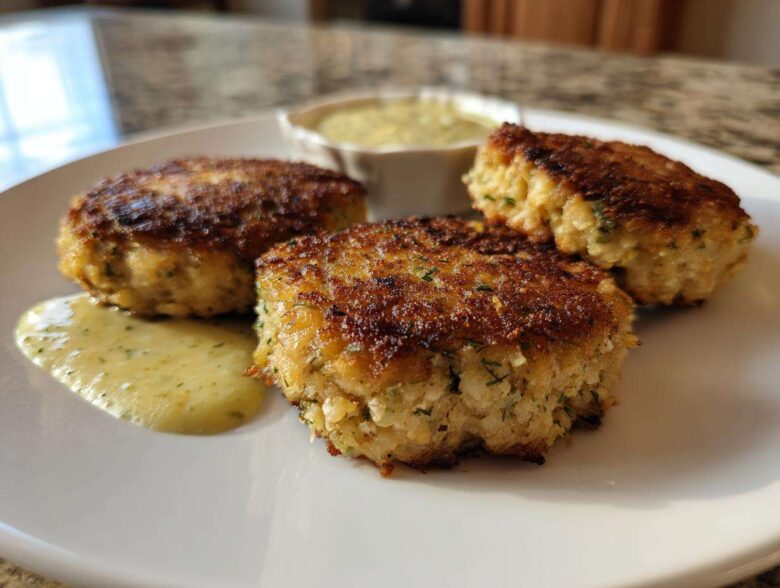
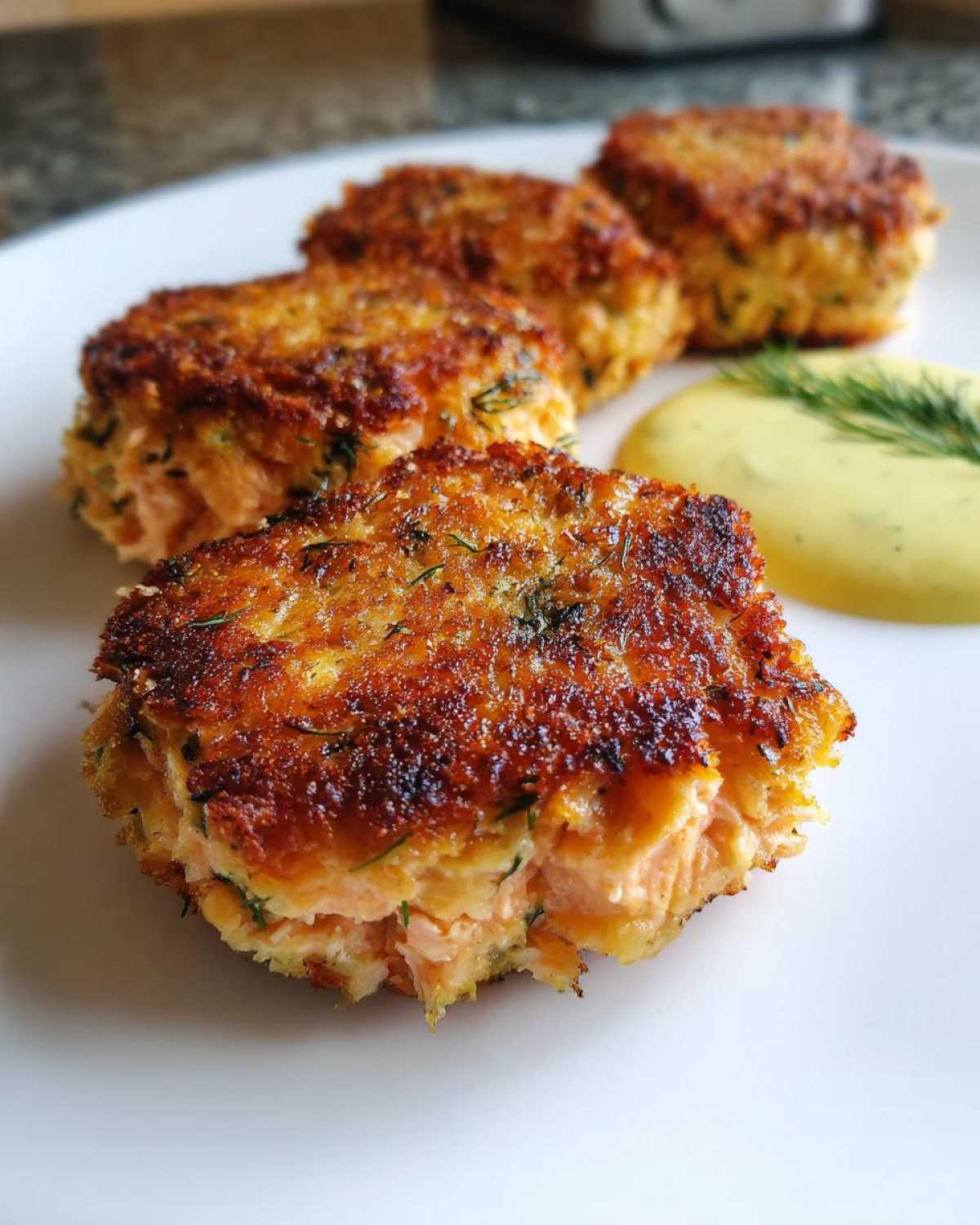
Oh, I just love those nights when dinner needs to be on the table fast, but you still want something satisfying and packed with flavor! Sometimes Spoon just craves that deep, comforting taste of familiar food, and honestly, nothing says comfort quite like these amazing salmon cakes. Today, we’re diving into our recipe for Quick & Crispy Salmon Cakes with Zesty Lemon-Dill Sauce. We’re using canned salmon, which makes them so budget-friendly, but I promise you, they come out with that incredible, golden, crispy exterior we love, while staying wonderfully tender inside. It’s truly the best balance between tradition and speed!
Why These Are the Best Salmon Cakes You Will Ever Make
What makes our simple salmon cakes stand out? It’s all about texture, honey! We manage to transform humble canned salmon into a truly special meal that is so budget friendly seafood, you’ll want to make it every week. Spoon always says a great recipe is one that works, and these deliver that perfect marriage: tender inside crispy outside, every single time. Trust me, you won’t believe how quickly this satisfying meal comes together. We’ve perfected the method so you don’t have to worry about mushy centers!
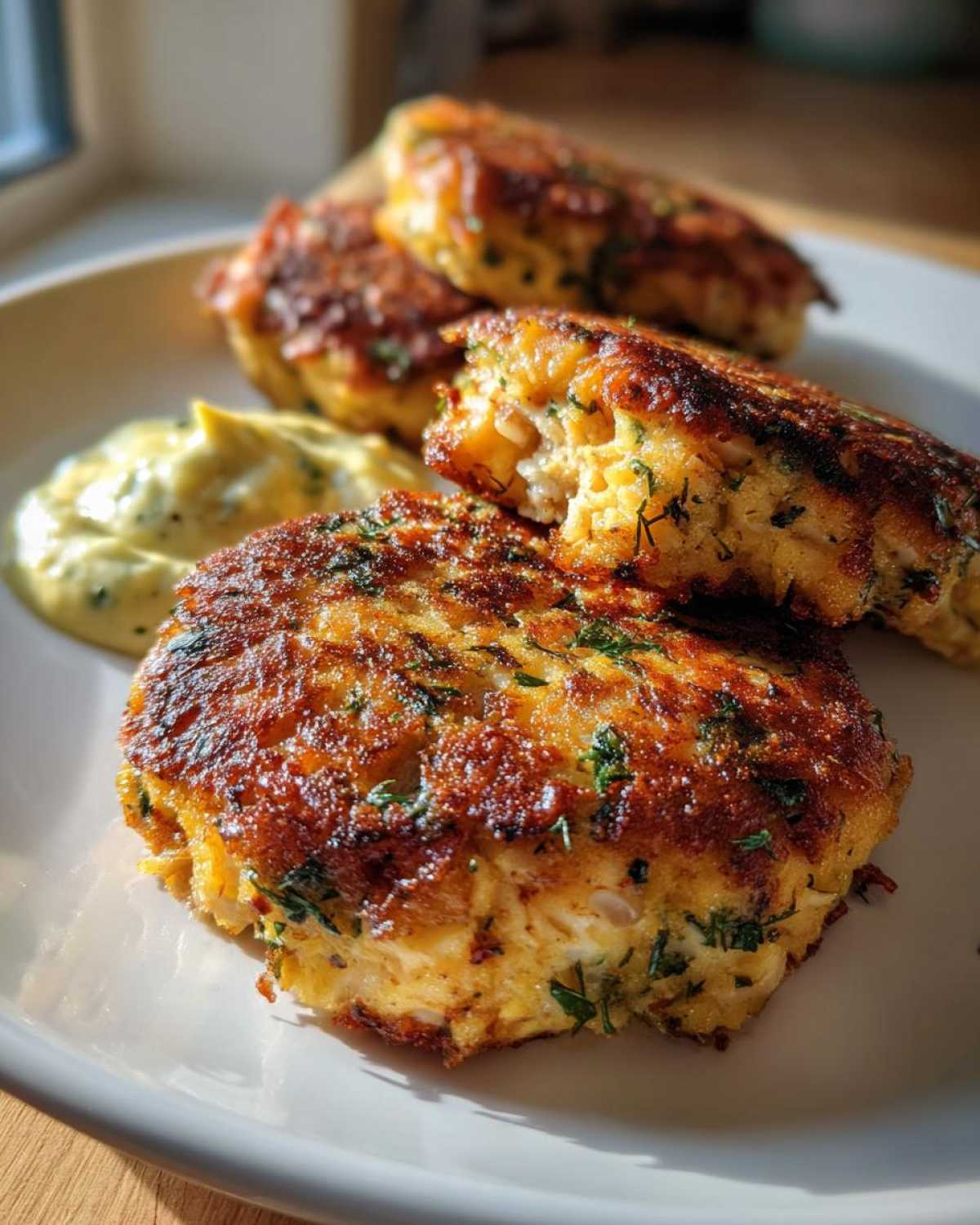
Achieving Golden Brown Salmon Cakes Every Time
The biggest secret to getting those gorgeous, golden brown salmon cakes is simple but important: chill time! Once you form your patties, put them in the fridge for at least fifteen minutes. This firms them up, so they don’t fall apart when they hit the hot oil. Also, patience with your pan is key. Don’t crowd the skillet, and make sure that olive oil is shimmering before they go in. That initial sizzle locks in the crispiness you are looking for!
Gathering Ingredients for Quick & Crispy Salmon Cakes
Okay, let’s gather our supplies! Because we are going for speed, this list is short and relies on pantry staples alongside that fresh flavor boost I always insist on. You’ll need the main components to build those beautiful salmon cakes, and then everything required for that incredible sauce that cuts right through the richness. Don’t worry; nothing here requires a separate trip to a specialty store!
- 1 (14.75 oz) can salmon, make sure you drain off that liquid really well and then flake it gently with a fork.
- 1/2 cup plain breadcrumbs—I use plain, but panko works great if you want extra crunch!
- 2 large eggs, beaten lightly. These are our binders!
- 1/4 cup finely chopped red onion. Get it small so it blends in.
- 1/4 cup finely chopped fresh parsley. This is essential for that ‘Sprout’ freshness!
- 1 tablespoon Dijon mustard—adds just the right little tang.
- 1 tablespoon mayonnaise. Don’t skip this; it helps with moisture retention.
- 1 teaspoon Worcestershire sauce for that deep, savory backbone.
- 1/2 teaspoon garlic powder
- 1/2 teaspoon salt
- 1/4 teaspoon black pepper
- 3 tablespoons olive oil, enough for frying your cakes until they turn golden brown.
For the Zesty Lemon-Dill Sauce for Salmon Cakes
This sauce is what takes these simple pantry fish cakes and makes them taste gourmet! It’s bright, it’s creamy, and it’s ready in two minutes. You absolutely need fresh dill here; dried just won’t give you that punch.
- 1/4 cup mayonnaise
- 2 tablespoons fresh lemon juice—squeeze it yourself, please!
- 1 tablespoon chopped fresh dill
- 1/2 teaspoon lemon zest
Once you have these ready, you can head over to see our favorite soup recipe for another idea for a comforting meal later in the week. But for now, let’s mix these up!
How to Make Salmon Cakes: Step-by-Step Instructions
Alright, now that we have our vibrant ingredients ready, let’s talk about how to make salmon cakes that sing! This is the easy part, but pay attention because the mixing technique is what guarantees we don’t get tough cakes. We need that delicious, flaky texture, not a rubbery hockey puck! Follow these steps, and you’re well on your way to a fantastic weeknight seafood meal.
Mixing the Salmon Cake Base
First things first: combine everything for the cakes—the drained salmon, the breadcrumbs, the eggs, the onion, parsley, mustard, mayo, and seasonings—in that mixing bowl we talked about. Now, here is Spoon’s rule: mix gently! Use a fork or your hands, but stop mixing the moment everything is *just* incorporated. If you overmix, you work the proteins too much, and that’s how you lose that lovely, tender inside texture. We want everything held together, but not overworked.
Frying Your Crispy Salmon Cakes
Remember that chilling tip? Do that now! Divide the mix into six equal portions and form them into nice one-inch-thick patties. Pop those babies in the fridge for 15 minutes—it makes all the difference. While they chill, get your skillet hot over medium heat, add that olive oil, and wait until it shimmers. Carefully place your cakes in the skillet, leaving space between them so the heat circulates. Cook each side for about 4 to 5 minutes until they turn that perfect golden brown. Don’t flip them too soon! Once they release easily, they are ready for their flip!
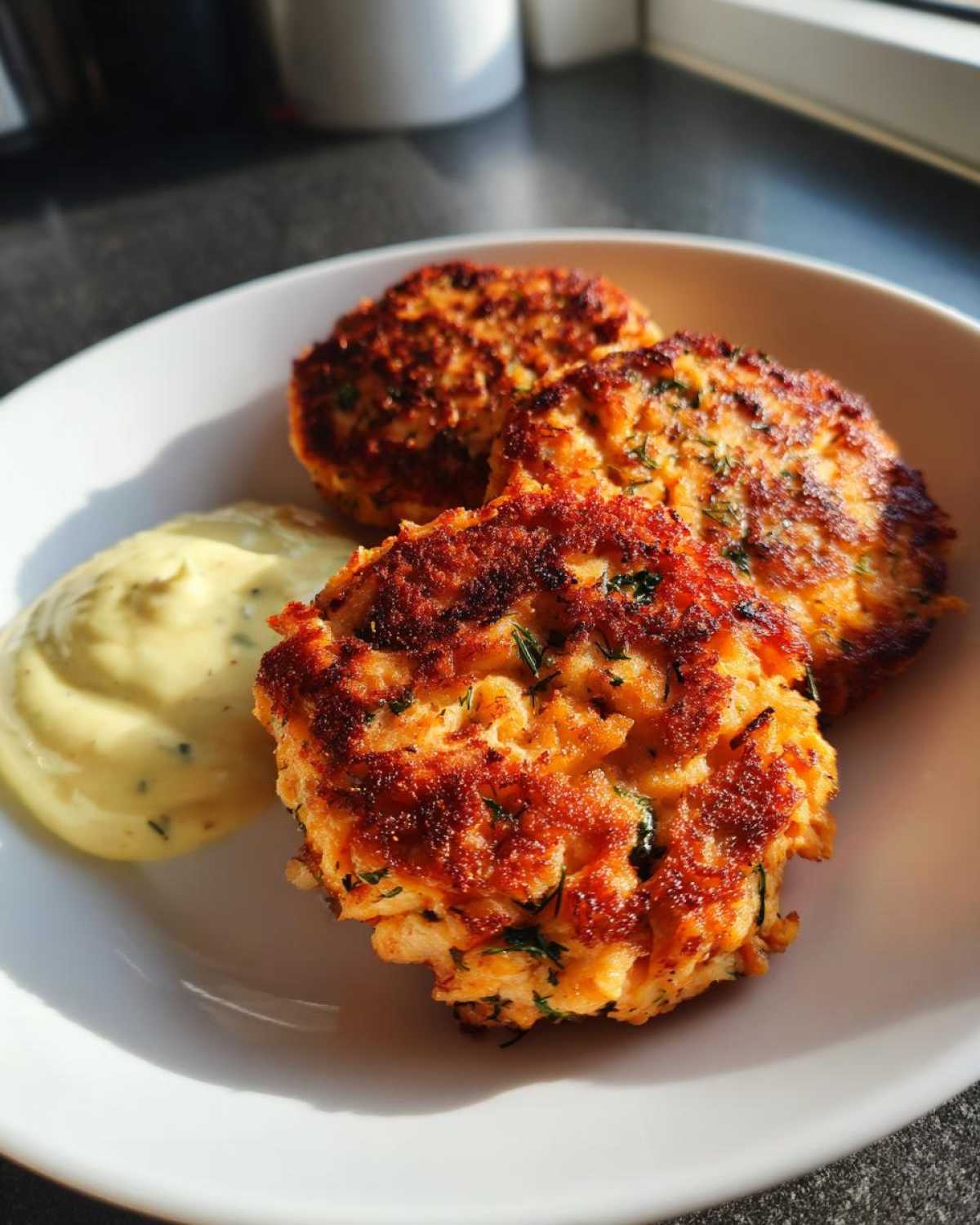
Tips for Perfect Canned Salmon Cakes
Making these easy salmon cakes is simple, but Spoon and I have a few extra tricks up our sleeves for those nights when you want them to be truly legendary. The goal is always that beautiful crispiness without drying out the inside, right? Sometimes, if the mix seems a little loose, adding just one more tablespoon of breadcrumbs helps keep everything together beautifully before frying.
Variations: Making Classic Salmon Patties
If you are feeling that Southern comfort food vibe, we absolutely have the adjustment for you! For true southern salmon patties, the swap is easy: take about a quarter cup of the regular breadcrumbs out of the mix and substitute it with fine cornmeal instead. Cornmeal gives those cakes a slightly different, heartier texture and an extra layer of crunch when fried. It totally changes the profile, but it’s delicious and a classic way to stretch that protein!
Serving Suggestions for Flavorful Fish Cakes
We’ve nailed the cooking, but Spoon always reminds me that presentation makes the meal feel special, even when it’s a appetizer salmon recipe made on a Tuesday night! These salmon cakes are so versatile. If you’re having a light dinner, just serve two patties next to some gently roasted asparagus—the slight char on the veggies goes beautifully with the flakiness of the fish. Or, if you’re making these for a party, pop a warmed cake on a little pile of mixed greens with a drizzle of that bright sauce. It suddenly looks like something from a fancy brunch!
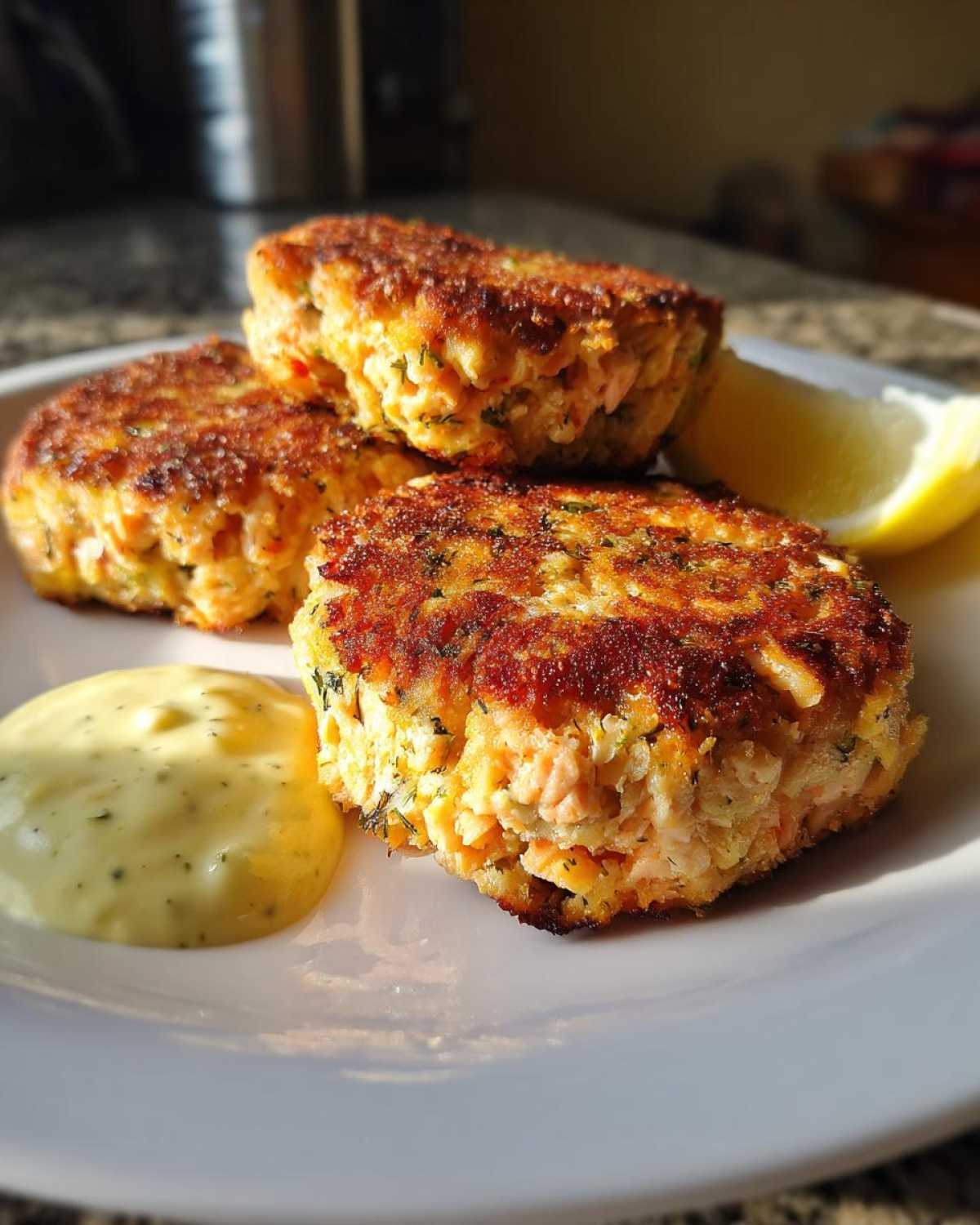
Pairing Salmon Cakes with Tartar Sauce Alternatives
Of course, tradition calls for tartar sauce with fish cakes, and you absolutely can serve these with store-bought or homemade tartar sauce if that’s what Spoon is craving. But honestly, the zesty lemon-dill sauce we whipped up earlier is my preference these days! The fresh dill and sharp lemon juice really lift the richness of the canned salmon and the frying oil. If you want to stick closer to a classic sauce base, just mix that lemon-dill dressing into a bit of mayonnaise, and you’ve basically got a souped-up, brighter tartar sauce that clings perfectly to our crispy salmon cakes.
Storage and Reheating Instructions for Leftover Salmon Cakes
Whew! We made a big batch, which is what I always do—because who doesn’t love leftovers that taste *just* as good the next day? Handling your leftover salmon cakes correctly is crucial if you want to keep that lovely crisp exterior we worked so hard to achieve. The microwave is your sworn enemy here; it warms them up but turns the outside instantly soggy, and nobody wants that!
If you’re keeping them just for a day or two, wrap them snugly in plastic wrap and foil, or place them in a good airtight container in the refrigerator. They should keep well for about three days in the fridge. For longer storage, you can absolutely freeze them. Once they are completely cooled, wrap each patty individually in plastic wrap, then place them all together in a freezer-safe bag. They are good frozen for up to three months. They freeze beautifully, which makes them an amazing option for a truly quick salmon dinner later on.
Now for the important part: reheating! To get that glorious, golden brown crispness back, forget the microwave entirely. The best method is using an oven or an air fryer. Preheat your oven to 375°F (190°C). Place the cold cakes on a baking sheet lined with parchment paper—this prevents sticking, and Spoon insists on it! Heat them for about 10 to 12 minutes, flipping them halfway through. If you use an air fryer, 350°F (175°C) for about 6 to 8 minutes usually does the trick. They come out just as lovely and crispy as when they were first made!
Frequently Asked Questions About Making Salmon Cakes
I know sometimes you have lingering questions after seeing a recipe, especially when you’re trying a new technique for something classic like salmon cakes. We’ve gathered a few things people often ask just to make sure your experience creating these perfect patties is flawless. Don’t hesitate to look here if you need a quick answer!
Can I use fresh salmon instead of canned salmon?
That’s a great question about using fresh salmon versus canned! You absolutely can, but you need to adjust things quite a bit. If you use fresh salmon, you definitely have to cook it first—poach it or bake it gently until it’s just cooked through—and let it cool completely. Canned salmon is already cooked and pressed, which is why it’s perfect for binding in our easy salmon cakes. If you use fresh, you might need to dry it out a tiny bit more after cooking, and you might need an extra tablespoon or two of breadcrumbs to get the right consistency for forming the patties.
Can I bake these salmon cakes instead of frying them?
You can certainly bake these if you prefer to skip the pan-frying, but I need to be honest here: you won’t get that authentic, deeply satisfying, crispy salmon cakes exterior unless you use a little fat. If you bake them, they might end up a bit more crumbly or softer, more like a baked fish patty than a fried cake. If you must bake, try setting your oven to 400°F (200°C) and placing them on a wire rack set over a baking sheet. That little bit of airflow underneath helps them brown up better, but maybe brush the tops with a little oil first!
What’s the secret ingredient to bind the cakes? Will they fall apart?
The main binding agents we rely on are the eggs and the breadcrumbs absorbing moisture. If you find your mix is still too loose—especially if your canned salmon seemed wetter than usual—you need a little boost. You can always add another tablespoon of breadcrumbs, or even a tiny bit more mayo. For those who like a slightly different texture, binding is often improved if you crush up a few plain crackers (like saltines) instead of using all breadcrumbs. This helps the mixture hold its shape, ensuring you get those perfect, sturdy patties instead of messy scraps!
If I make Southern Salmon Patties, do I still use this sauce?
That’s where tradition meets preference! If you’re leaning into the classic homemade salmon patties style, which often uses cornmeal, you might find the flavor profile leans savory and slightly rustic. While our Zesty Lemon-Dill sauce is light and bright, which cuts through that richness nicely, a lot of folks who love the Southern style prefer something a bit tangier, like a simple squeeze of lemon or a classic tartar sauce. Whichever path you choose, these simple seafood patties are delicious!
Estimated Nutritional Snapshot for Salmon Cakes
Now, Spoon always reminds me that while we cook from the heart here at our kitchen, it’s nice to have a general idea of what we’re serving up, especially when we are aiming for a great quick salmon dinner. Please remember, since we are using canned salmon, the exact values can shift based on the brand you buy and how much oil you use during that final pan-frying step to get those perfect cakes. This is just an estimated breakdown based on the ingredients listed in our recipe for one serving, which includes one cake plus a reasonable drizzle of that lemon-dill sauce we made.
Think of this as a helpful little guide, not a strict diet breakdown. What I focus on instead is that we are getting great protein and staying low on the sugar!
- Calories: Around 280 (Wow, not bad for something fried!)
- Protein: A solid 19 grams—that’s satisfying!
- Total Fat: About 16 grams (Much of this is the healthy fat from the salmon, plus our frying oil.)
- Carbohydrates: Roughly 15 grams
You can see why I lean on these recipes so much; they are balanced and fast. If you want to review how to make our indulgent cookie dough truffles later (for dessert, naturally!), you can find that recipe too. But for now, enjoy knowing these flavorful fish cakes are both tasty and reasonably straightforward nutritionally!
Share Your Quick Salmon Dinner Creations
Well, that’s it! That’s the whole conversation we have about achieving perfect, crispy, flavorful salmon cakes every single time. Now it’s your turn to step into your kitchen and bring this recipe to life! Spoon and I always get such a thrill when we hear how you’ve adapted our ideas, or simply how much your family loved a new quick salmon dinner idea.
Did you manage to get those beautiful golden edges? Did the lemon-dill sauce make the whole dish pop? I would absolutely love to know!
Please leave a rating right down below—it helps other cooks who are just searching for the **best salmon cakes** find our little spot here. And if you snapped a photo of your beautiful results, tag us on social media! We cherish seeing our Spoon & Sprout creations out in the world.
If you want to see more fantastic, fast meals, don’t forget to check out this amazing recipe for salmon cakes over at Recipe Hub 24, but honestly, I think you’ll find ours has that perfect Sprout touch!
Happy cooking, always!
PrintQuick & Crispy Salmon Cakes with Zesty Lemon-Dill Sauce

Make these easy salmon cakes using canned salmon for a budget-friendly weeknight seafood meal. They cook quickly to a golden brown, offering a tender inside and crispy outside, perfect as an appetizer or light dinner.
- Prep Time: 15 min
- Cook Time: 10 min
- Total Time: 25 min
- Yield: 6 servings
- Category: Dinner
- Method: Pan Frying
- Cuisine: American
- Diet: Low Fat
Ingredients
- 1 (14.75 oz) can salmon, drained and flaked
- 1/2 cup plain breadcrumbs
- 2 large eggs, lightly beaten
- 1/4 cup finely chopped red onion
- 1/4 cup finely chopped fresh parsley
- 1 tablespoon Dijon mustard
- 1 tablespoon mayonnaise
- 1 teaspoon Worcestershire sauce
- 1/2 teaspoon garlic powder
- 1/2 teaspoon salt
- 1/4 teaspoon black pepper
- 3 tablespoons olive oil, for frying
- For the Sauce: 1/4 cup mayonnaise, 2 tablespoons fresh lemon juice, 1 tablespoon chopped fresh dill, 1/2 teaspoon lemon zest
Instructions
- In a medium bowl, combine the drained salmon, breadcrumbs, beaten eggs, red onion, parsley, Dijon mustard, mayonnaise, Worcestershire sauce, garlic powder, salt, and pepper. Mix gently until just combined; avoid overmixing.
- Divide the mixture into 6 equal portions and form them into patties, about 1 inch thick.
- Prepare the lemon-dill sauce: In a small bowl, whisk together the mayonnaise, lemon juice, fresh dill, and lemon zest until smooth. Set aside.
- Heat the olive oil in a large skillet over medium heat. The oil should shimmer slightly before adding the cakes.
- Carefully place the salmon cakes into the hot skillet, ensuring not to overcrowd the pan. Work in batches if necessary.
- Pan-fry the salmon cakes for 4 to 5 minutes per side, until they are golden brown and crispy on the exterior and heated through.
- Remove the crispy salmon cakes from the skillet and place them on a plate lined with paper towels to drain excess oil.
- Serve the golden brown salmon cakes immediately with the zesty lemon-dill sauce on the side.
Notes
- For extra crispiness, chill the formed patties in the refrigerator for 15 minutes before frying.
- If you prefer Southern salmon patties, substitute 1/4 cup of the breadcrumbs with cornmeal.
- These cakes pair well served over a bed of mixed greens or alongside roasted asparagus for a complete meal.
Nutrition
- Serving Size: 1 cake with sauce
- Calories: 280
- Sugar: 1
- Sodium: 350
- Fat: 16
- Saturated Fat: 3
- Unsaturated Fat: 13
- Trans Fat: 0
- Carbohydrates: 15
- Fiber: 1
- Protein: 19
- Cholesterol: 95