

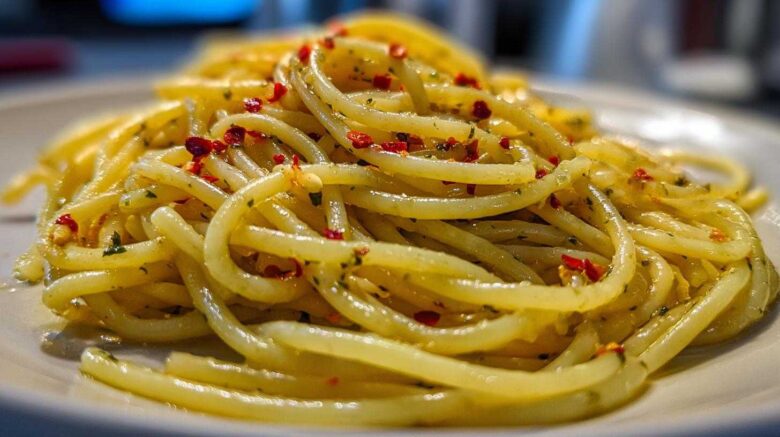
Emergency Pantry Pasta (When the Fridge is Empty): A Lifesaver Recipe
Have you ever opened your fridge?
It looks totally empty, right?
Don’t panic, my friends. I’m Mei, and this is where the Sprout steps in.
When fresh food vanishes, we turn to our Emergency Pantry Pasta (When the Fridge is Empty).
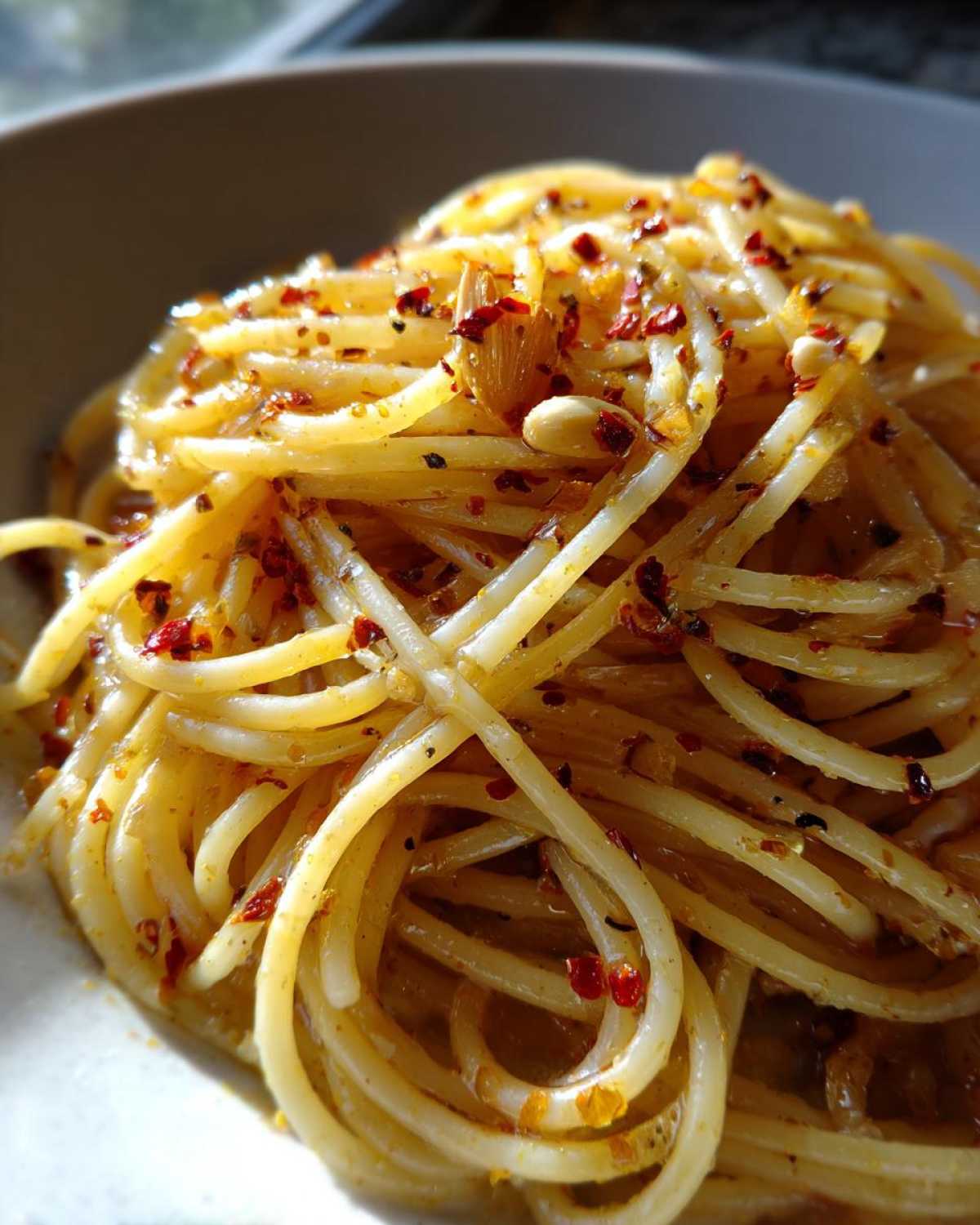
This simple garlic and olive oil dish saves the day.
My husband, Spoon, respects tradition deeply. I love new growth.
Together, we’ve perfected this recipe over decades.
It is pure, honest comfort food, Spoon’s anchor.
It proves great meals need few things.
We rely on this Aglio e Olio style dish often.
It’s a true pantry staple recipe.
You can trust our kitchen wisdom here.
This method gives you flavor, fast.
It is our go-to empty fridge meal.
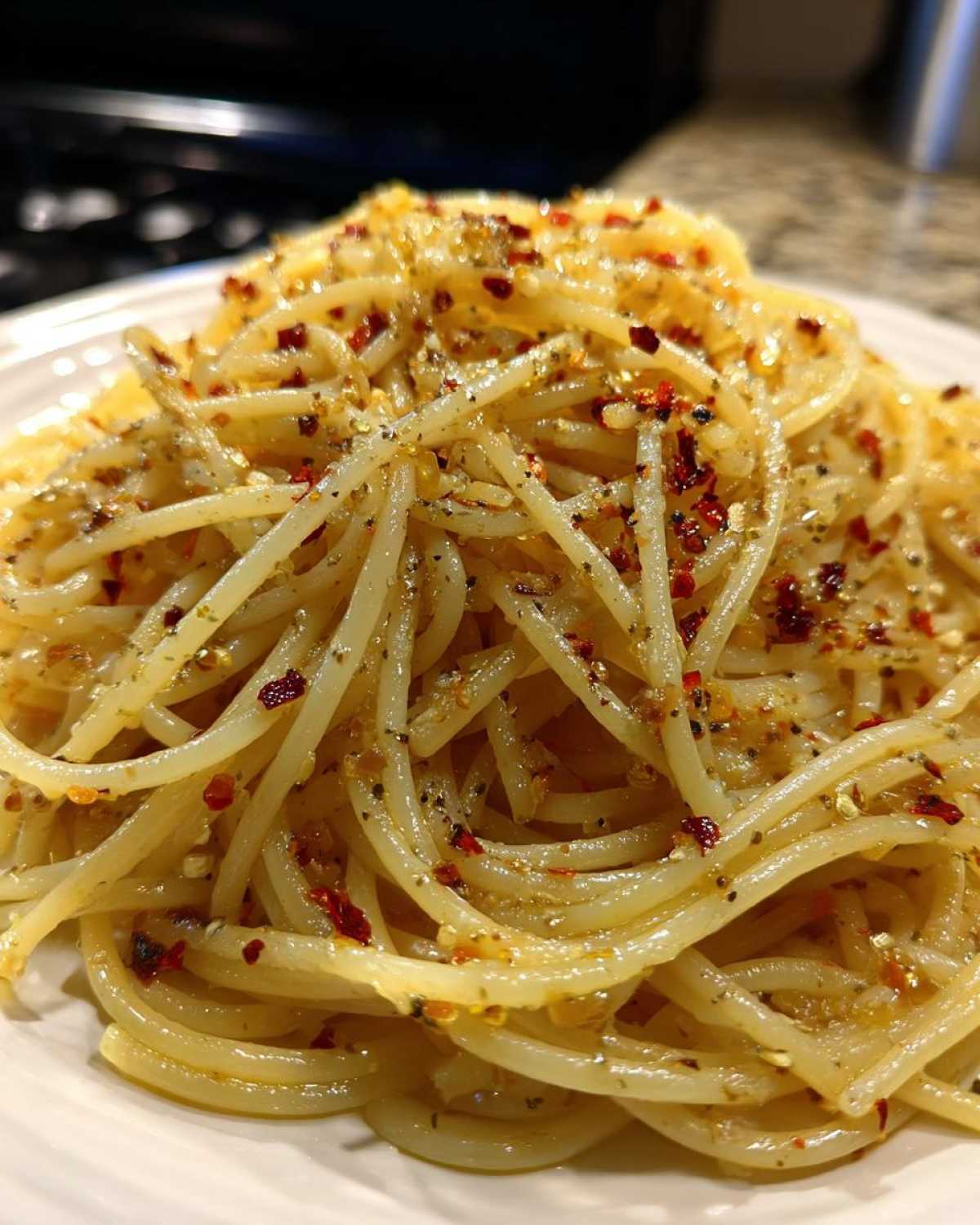
Why You Need This Emergency Pantry Pasta (When the Fridge is Empty)
Life throws curveballs sometimes. You need dinner fast.
This dish is your kitchen superhero.
It uses only things you already have.
That’s why we call it the Emergency Pantry Pasta (When the Fridge is Empty).
Here are the reasons I love it so much:
- It’s incredibly quick to pull together.
- The ingredient list is super short.
- It relies only on reliable pantry staples.
- The flavor is surprisingly rich and satisfying.
We’ve made this countless times.
It’s a time-tested recipe, truly reliable.
It shows simple cooking wins always.
This is cooking you can count on.
Essential Ingredients for Your Emergency Pantry Pasta (When the Fridge is Empty)
When you’re staring down an empty crisper drawer, panic sets in fast.
But don’t worry. This simple garlic and olive oil pasta needs just a few things.
These are true pantry staples, waiting for their moment.
We rely on quality here, even for a quick fix.
Since the oil carries so much flavor, use the best you have.
Remember what Spoon always says about the oil.
You’ll need 8 ounces of pasta for two servings.
Four cloves of garlic must be sliced thin.
Use a generous 1/4 cup of fine olive oil.
Half a teaspoon of red pepper flakes adds a nice kick.
Salt and pepper are for seasoning to taste, of course.
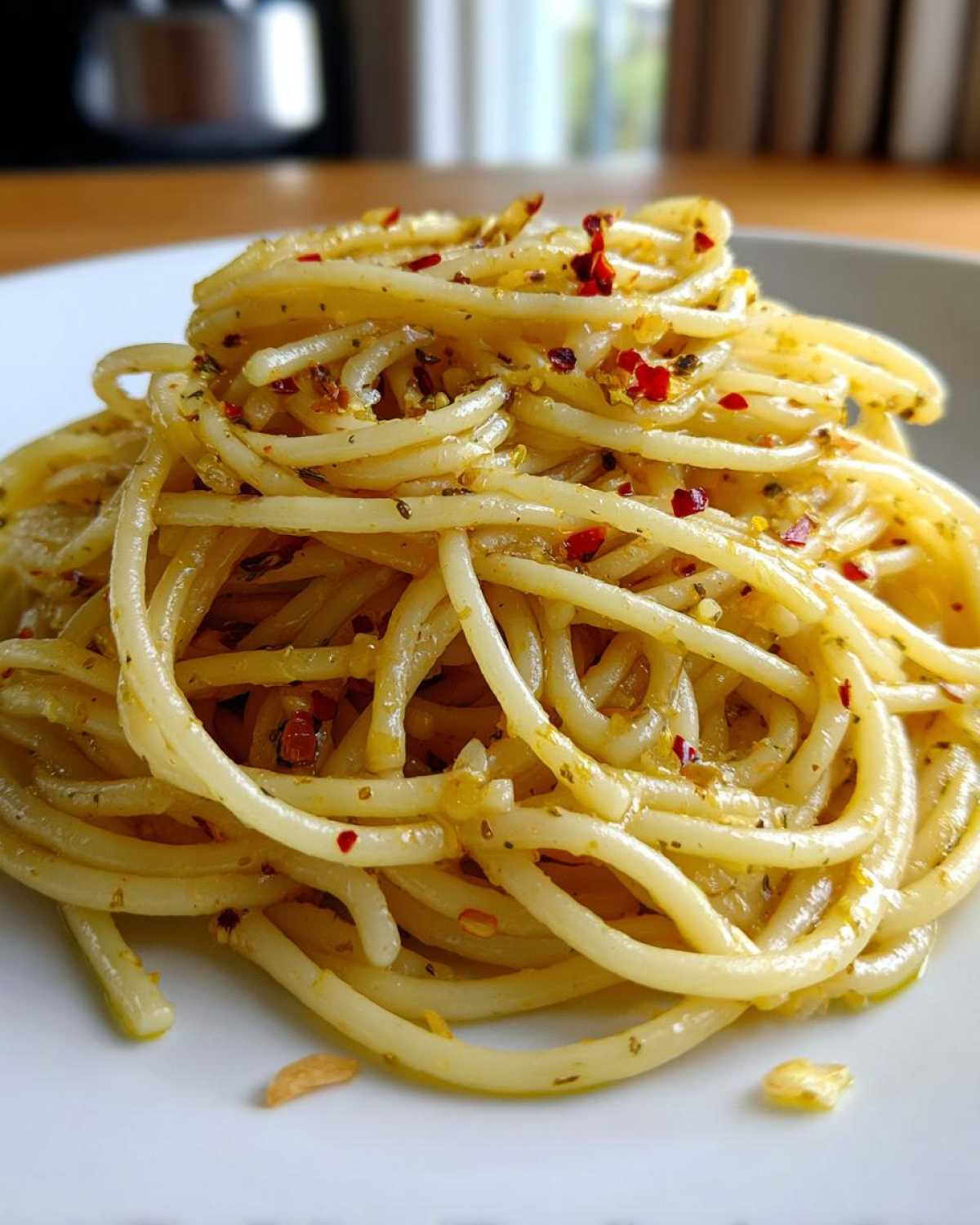
Choosing the Right Pasta for Emergency Pantry Pasta (When the Fridge is Empty)
The pasta shape matters a lot here.
I highly suggest spaghetti or linguine for this recipe.
Why those long strands?
They mix beautifully with the garlic oil.
They grab that starchy water coating perfectly.
Thicker shapes sometimes just slide right off.
Long pasta creates a better mouthfeel, I think.
Equipment Needed for Making Emergency Pantry Pasta (When the Fridge is Empty)
You don’t need a fancy kitchen for this meal.
Gather your basic pots and pans first.
A saucepan is needed for boiling the pasta.
You also need a large skillet for the sauce base.
Keep measuring cups handy for the oil.
That’s really all this simple dish asks for.
Step-by-Step Instructions for Your Emergency Pantry Pasta (When the Fridge is Empty)
Now for the fun part, putting it all together!
Follow these steps closely for great results.
We start the pasta first, of course.
Cook your 8 ounces of pasta until it’s al dente.
This means it still has a little bite.
Crucially, scoop out about half a cup of the starchy water before draining.
Save that liquid gold; you’ll need it soon.
Drain the pasta quickly after saving the water.
While that cooks, start your garlic base in a skillet.
Use medium-low heat for the oil and garlic.
Toss everything together well in the end.
Season generously before serving it hot.
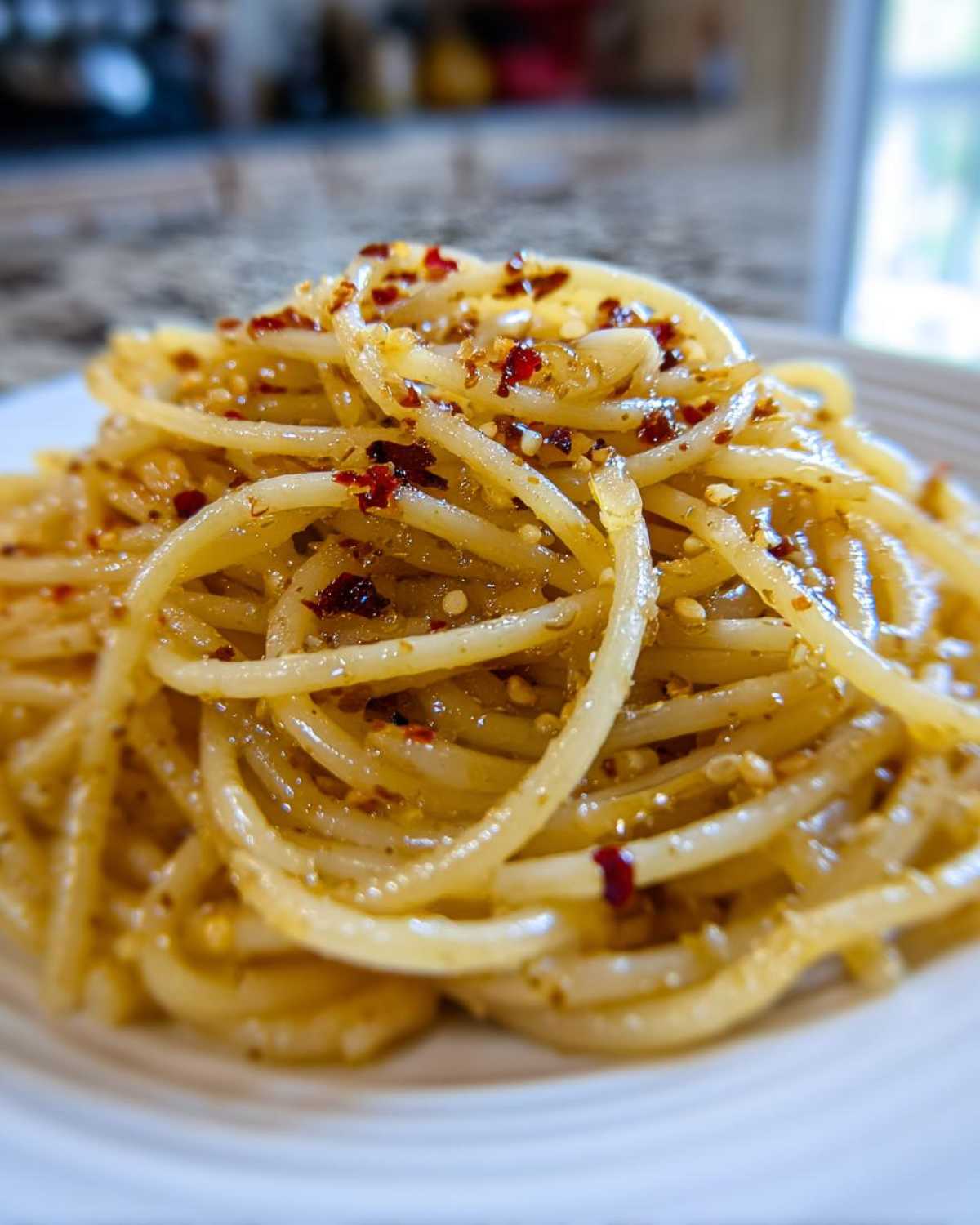
Mastering the Garlic and Oil Base in Emergency Pantry Pasta (When the Fridge is Empty)
This step separates good pasta from great pasta.
Heat your 1/4 cup olive oil slowly.
Add the thin garlic slices right away.
You must cook this low and very slow.
We want the garlic fragrant and just lightly golden.
If it browns too much, it turns bitter fast.
That bitter taste will ruin your whole meal.
Stir it often so it cooks evenly.
Once pale gold, stir in the red pepper flakes.
Let them bloom for just thirty seconds more.
Take care not to let them burn either.
Creating the Sauce with Reserved Pasta Water
This is where the magic happens, truly.
Add the drained pasta right into that garlic skillet.
Toss everything quickly to coat the strands.
Now, add a splash of that saved pasta water.
Toss continuously; don’t stop moving it.
The starch in the water mixes with the oil.
This creates a light, creamy sauce coating.
It’s not heavy cream sauce, just a shimmer.
Add more water, a little at a time, if needed.
You want the pasta perfectly coated.
This technique makes our Emergency Pantry Pasta (When the Fridge is Empty) shine.
Tips from Spoon & Sprout for Perfect Emergency Pantry Pasta (When the Fridge is Empty)
We learned these little secrets over time.
They make a big difference here.
First, focus on that olive oil quality.
Since it is the main flavor, use good stuff.
Spoon insists on the best oil always.
Second, taste your pasta water before draining.
It should taste salty, almost like the sea.
This perfectly seasoned water is key later.
If you have dried herbs, feel free to add some.
A pinch of oregano works well with the chili.
These small details build great flavor profiles.
Trust these tips from our long kitchen life.
Frequently Asked Questions About Your Emergency Pantry Pasta (When the Fridge is Empty)
You might have some questions about this simple meal.
That’s totally fine; we’ve all been there.
Here are answers to common concerns about this pantry staple recipe.
Can I use dried pasta shapes other than spaghetti?
Yes, you absolutely can.
While long pasta coats nicely, short shapes work too.
Rotini or penne are good alternatives for your empty fridge meal.
Just ensure you toss them well in the skillet.
What if I don’t have red pepper flakes?
That is an easy fix.
You can skip them entirely if you dislike heat.
Or, use a tiny dash of cayenne pepper instead.
Just be very careful with cayenne; it’s potent.
How do I adjust the salt in this Emergency Pantry Pasta (When the Fridge is Empty)?
Salt adjustment is crucial for great flavor.
Remember to salt your boiling water well first.
Then, taste the sauce mixture before serving.
Add more salt only after you mix in the pasta water.
It ensures you don’t over-salt too early.
This simple garlic olive oil pasta needs good seasoning.
Storing and Reheating Your Emergency Pantry Pasta (When the Fridge is Empty)
Leftovers are rare with this dish.
But if you have any Emergency Pantry Pasta (When the Fridge is Empty), store it airtight.
Keep it in the fridge for two days max.
Reheat gently on the stovetop always.
Add a tiny splash of fresh water when warming.
This brings back the nice sauce coating.
Sharing Your Spoon & Sprout Kitchen Creations
Did this recipe save your dinner hour?
I hope your Emergency Pantry Pasta (When the Fridge is Empty) turned out great.
We love hearing about your kitchen wins.
Tell us how this pantry staple recipe helped you.
Rate the dish below and leave a comment.
Happy cooking from our kitchen to yours!
PrintAmazing 8 Ingredient Emergency Pantry Pasta
This is a simple garlic and olive oil pasta recipe using only pantry staples. It provides a satisfying meal when your refrigerator is empty. This recipe is a lifesaver for those unexpected moments.
- Prep Time: 5 minutes
- Cook Time: 15 minutes
- Total Time: 20 minutes
- Yield: 2 servings
- Category: Main Dish
- Method: Stovetop
- Cuisine: Italian-Inspired
- Diet: Vegetarian
Ingredients
- Pasta (Spaghetti or Linguine recommended): 8 ounces
- Garlic: 4 cloves, thinly sliced
- Olive Oil: 1/4 cup
- Red Pepper Flakes: 1/2 teaspoon (or to taste)
- Salt: To taste
- Black Pepper: To taste
- Pasta Water: About 1/2 cup, reserved
Instructions
- Cook the pasta in salted boiling water according to package directions until al dente.
- Before draining, reserve about 1/2 cup of the starchy pasta water. Drain the pasta.
- While the pasta cooks, heat the olive oil in a large skillet over medium-low heat.
- Add the sliced garlic to the oil. Cook slowly, stirring often, until the garlic is fragrant and lightly golden. Do not let it brown too much or it will taste bitter.
- Stir in the red pepper flakes and cook for 30 seconds more.
- Add the drained pasta directly to the skillet with the garlic oil.
- Toss well to coat the pasta. Add a splash of the reserved pasta water, tossing continuously until a light sauce forms and coats the pasta. Add more water if needed.
- Season generously with salt and black pepper.
- Serve immediately.
Notes
- Use good quality olive oil for the best flavor since it is a main component.
- If you have dried herbs like parsley or oregano, you can add a pinch when you add the red pepper flakes.
- Taste your pasta water; it should taste like the sea before you drain it.
Nutrition
- Serving Size: 1 serving
- Calories: Approx. 450
- Sugar: Less than 1g
- Sodium: Varies based on added salt
- Fat: Approx. 18g
- Saturated Fat: Approx. 2.5g
- Unsaturated Fat: Approx. 15.5g
- Trans Fat: 0g
- Carbohydrates: Approx. 60g
- Fiber: Approx. 3g
- Protein: Approx. 12g
- Cholesterol: 0mg